





According to Khabar Online, the discussion of restoring workers’ wages and compensating for the backwardness of households’ purchasing power has remained inconclusive, while the disagreement about the responsibility for the increase in inflation and the role of wages in it also continues. On the one hand, opponents of wage increase are worried about its inflationary consequences, and on the other hand, critics of this approach believe that attributing high prices to workers’ wages is ignoring the role of monetary, budgetary and currency policies in the formation of inflation.
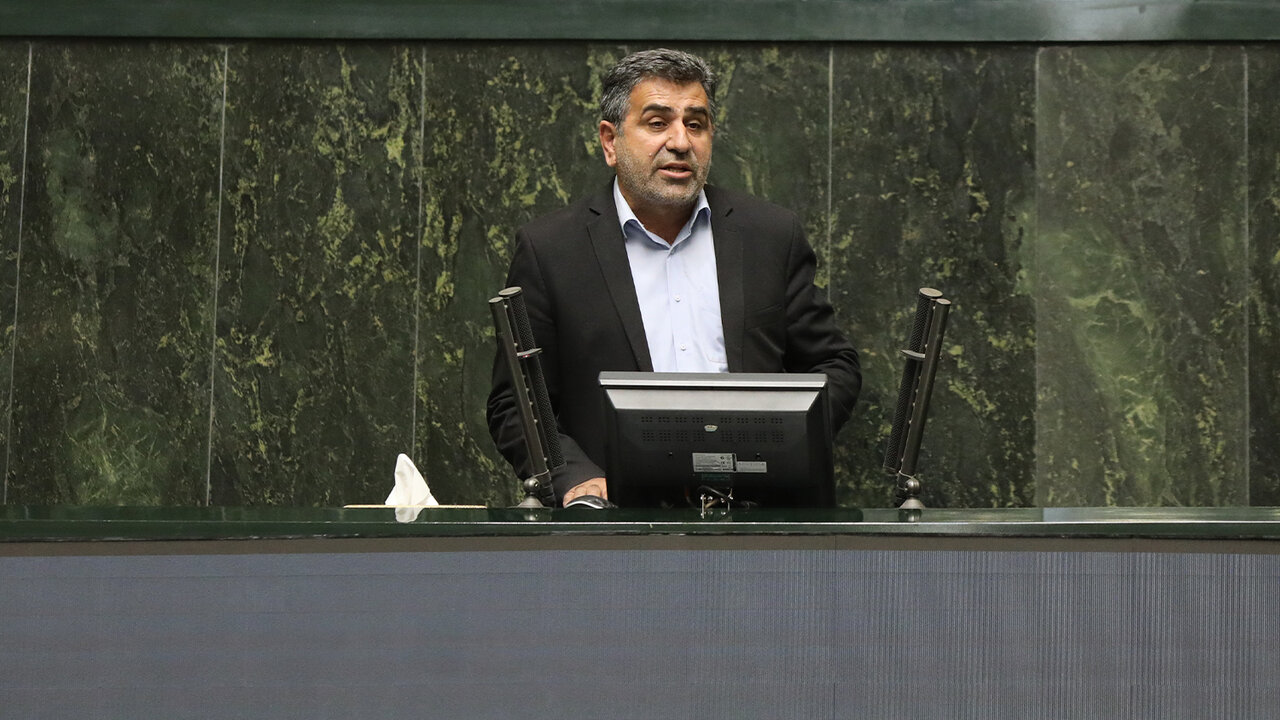
Ali Babaei Karnami, head of the social commission of the parliament, in an interview with Khabaronline, spoke about the opposition of the Program and Budget Organization and the Central Bank to the restoration of wages, the difference of views in the parliament and the failure of the government’s support policies, and warned against the spread of poverty and the reduction of food consumption among Iranian households.
The head of the social commission of the parliament, referring to the parliament’s efforts to restore workers’ wages, says that although the parliament is not the final decision-maker regarding wage increases, it cannot be indifferent to the living conditions of a large part of the society. According to him, the follow-ups of the parliament and especially the social commission caused the wage restoration meetings to be held in the summer and the negotiations of the Supreme Labor Council to proceed to the decision stage; However, these efforts have not yet come to fruition.The program organization and the central bank are standing against the restoration of wages
Referring to the decision of the meeting on 28 September, he explains that the Ministry of Labor was supposed to discuss the matter with the government in the meeting of the cabinet and then make a decision, but since then, the economic team of the government has prevented the progress of the matter.
In this regard, Babaei Karnami introduces the two institutions, the Planning and Budget Organization and the Central Bank, as the main opponents of the wage increase, and believes that these two institutions have always tried to make the increase in wages and salaries the cause of high prices.
He says: “They pretend as if these actions are the cause of the price increase; While in practice, these are not the causes of high prices in our country, and monetary and budget policies play a much more significant role.”
Referring to his five-year experience in the parliament, the chairman of the social commission of the parliament says that the opposition of these two institutions to the realization of wages is not limited to the current government and the same approach existed in the 13th government. From his point of view, the Program and Budget Organization and the Central Bank, due to inappropriate performance in management areas, especially currency policies, ultimately blame the problems on money creation and wage increases.
To explain the necessity of matching wages with inflation, he points to the experience of Turkey and says that in that country, wages increased three times in one year at the same time as inflation increased significantly. According to him, the decision about wages should be based on economic realities and when the annual inflation has reached more than 76%, the need to pay attention to people’s purchasing power cannot be ignored.
The share of wages in inflation is maximum 5 is a percentage
Babaei Karnami further questions one of the main arguments of the opponents of wage increase and believes that the impact of wage decisions on inflation has been very limited compared to other economic factors.
He says: “From the beginning of the revolution until today, wage decisions have had an effect of up to 5% on inflation. Even at the peak of inflation, the impact of these decisions has not been more than this.
According to this member of parliament, the increase in inflation from about 37% at the beginning of the year to nearly 80% shows that the main responsibility for high prices cannot be placed on wage earners.
He also points to the incomplete implementation of wage approvals and says that despite the 60% increase in wages this year, this increase was not properly included in the status of retirees. From his point of view, even the approved wage and support decisions are not fully implemented, and in such a situation, it is unfair to attribute the existing high prices to workers’ wages.

Warning about the spread of poverty and reduction of food consumption
In another part of this conversation, the head of the social commission of the parliament warns about the consequences of the government’s support policies and the reduction in the purchasing power of households. He believes that if Kalaberg was implemented properly, it would be possible to manage poverty better; But after removing the preferred currency, instead of directly and purposefully delivering basic goods to the people, the government went towards policies that were inflationary and liquidity-generating in his opinion.
Referring to the change in the import exchange rate from 28,500 tomans to 260,000 tomans, Babaei Karnami says that in return for removing the preferential currency, basic goods were to be provided to the people with a specific mechanism, but this goal was not achieved.
He emphasizes that supporting households should be effective, useful and targeted, and if basic goods were provided to people through the Kalaberg mechanism and even at zero rate, the living conditions of households could be different. According to him, implementing a model similar to coupons during the war could be more effective in meeting the food needs of the people.
In order to show the depth of the decrease in the purchasing power of households, this member of parliament points to the drop in chicken consumption and says that the per capita consumption of chicken, which used to be about 34 kg for each Iranian, has now reached about 4 to 6 kg.
Pointing out that Mazandaran is one of the centers of chicken production in the country, he considers the decrease in the price of chicken in this province as a sign of a drop in demand, not the success of management policies. According to him, when people cannot afford to buy, the price reduction in the market does not necessarily mean an improvement in the situation and may be the result of suppressing demand.
Babaei Karnami also claims that the number of people suffering from absolute poverty has increased from about two million people to eight million people and a large part of the society is facing serious livelihood problems. He says that the proper economic situation is mainly limited to two deciles and other groups are facing widespread difficulties.
Poverty is not just a matter of livelihood; The health of society is also at risk
The head of the social commission of the parliament believes that the continuation of this situation can have consequences beyond economic problems. From his point of view, the decrease in food consumption and the drop in calorie intake of households also threatens public health and will increase the costs of the health system in the long run.
He warns that the spread of poverty can lead to bigger crises in the country, and emphasizes that Iran is not facing an absolute limit in terms of resources, but the main problem should be found in the way of managing and allocating resources.
In the end, Babaei Karnami points to the difference of views in the parliament and the government and says that the members of the parliament do not agree on the ideal economic model. According to him, some of the representatives support an economy based on social justice, and on the other hand, another group is in favor of a free and market-oriented economy; Therefore, it cannot be expected that all representatives have the same position on issues such as wage increases.
He also says that the Minister of Labor is aligned with the approach of supporters of wage restoration, but the majority of the economic team of the government still bases the view of the free market. Babai Karnami finally emphasizes that the parliament intends to convince the government’s economic and social team to change this approach through dialogue and persuasion; However, according to his belief, in the current situation, more than words, practical action is needed to improve people’s living conditions.
223229