



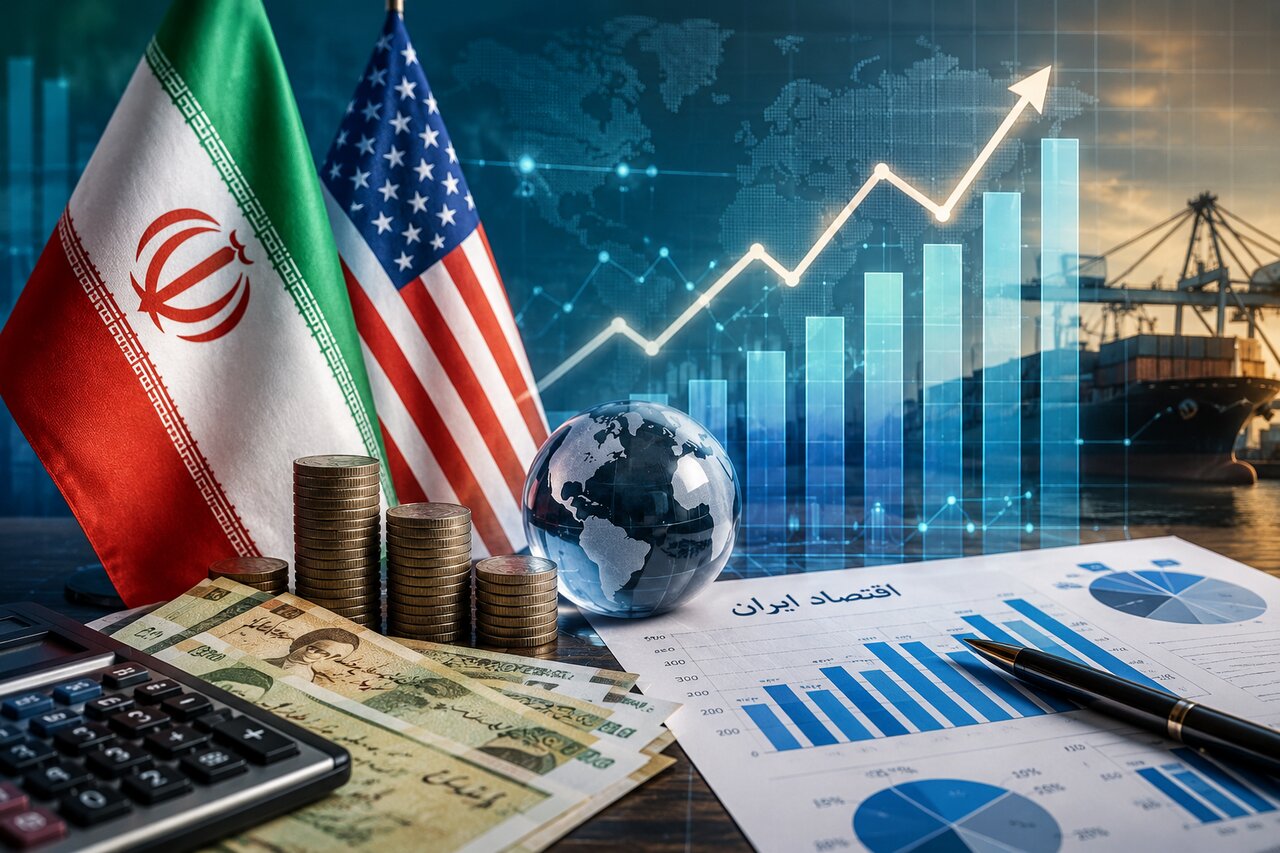


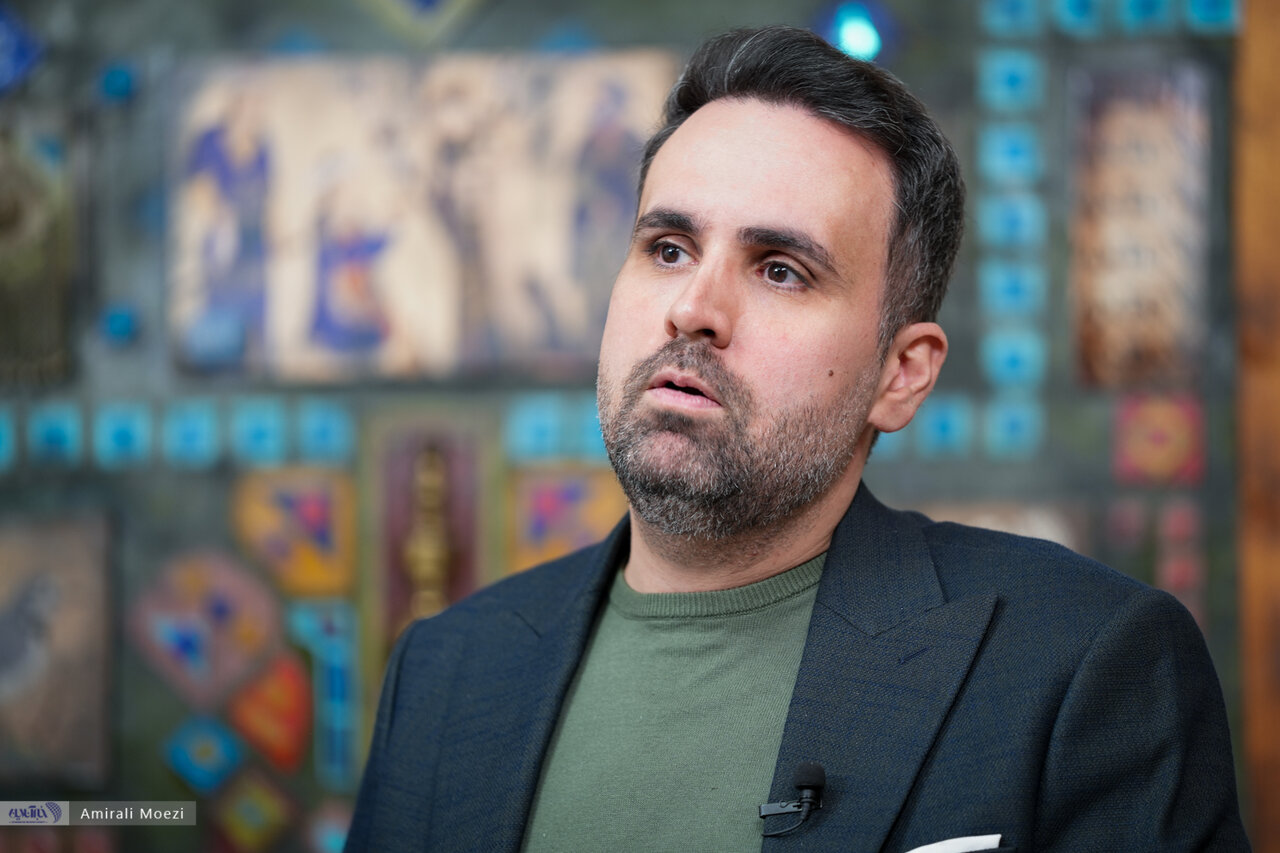
According to Khabaronline news agency, in the past years, the formation of various headquarters, camps and working groups has become one of the repeated responses of policymakers to economic and social crises; However, the persistence of problems shows that changing executive structures does not necessarily lead to reforming economic and social relations. According to political economy analyst Ehsan Farzaneh, the main problem is not the lack of decision-making institutions, but the structure of distribution of power and resources in Iran’s economy. A structure that he believes, by privatizing and strengthening the economic oligarchy, has also limited the possibility of real reforms.
According to Khabar Online, in recent years, the formation of various headquarters, headquarters and working groups has become one of the common solutions to face the economic and social problems of the country; An approach that seems to lead to the reproduction of administrative structures and the issuing of new instructions rather than the root solution of crises. But from the point of view of Ehsan Farzaneh, a political economy analyst, the main problem of Iran’s economy is not the lack of policy-making institutions, but the power relations and unproductive and anti-developmental capitalist structure that has limited the possibility of real reforms.
Farzaneh believes that the formation of new headquarters, without changes in economic and social structures, cannot bring any achievements; Because these institutions are also ultimately influenced by the beneficiaries of the status quo. He emphasizes that the problem is not only policy reform, but the society needs a kind of democratic reconstruction through which different social groups can be effective in power relations and decision-making.
independent organization; The missing link of reforms
According to this political economy analyst, one of the most important obstacles to reforms in Iran is the limitation of independent organization of social groups. Referring to the difficulty of labor organizations, teachers and retirees, he criticizes the obvious disparity between the possibility of organizing subordinate groups and the wealth of capital owners from powerful union and economic institutions.
Farzaneh believes that in a situation where the private sector and capitalists have numerous chambers of commerce, councils, and organizations, social groups and lower classes face limitations to create the most basic independent organizations. In his opinion, until this imbalance is not changed, we cannot expect the demands of the majority of people to be represented in the economic and political decision-making process.
He also considers the democratization of universities and scientific institutions essential and believes that critical currents of thought in the faculties of economics, management and political sciences and even scientific publications cannot compete with the dominant current. According to him, the lack of social and organizational support has put critical forces in a weak position and limited their effectiveness.
Oligarchic influence on media and public institutions
Farzaneh believes that inequality in access to the media is also a part of these power relations. Referring to the limitation of the presence of some economic critics on the radio, including Hossein Raghofer, he says that while some defenders of the status quo easily use public platforms, it is not possible for some critics and economic reformers to attend.
He considers this situation to be a sign of the spread of oligarchy influence in public institutions and emphasizes that it is not possible to change such relations with advice. According to Farzaneh, “power is restrained by power, not advice”. Therefore, social groups should have independent organizations and media in order to transfer their interests to the decision-making arena.
Privatization and weakening of the government against the owners of capital
In another part of his speech, this political economy analyst considers privatization as one of the factors of weakening the economic and institutional power of the government. According to him, handing over a large part of resources and public industries, from banks to petrochemicals and refineries, has caused an important part of economic power to be placed in the hands of a group of capital owners and oligarchy who have the ability to influence the decisions of the government and parliament.
Farzaneh believes that in such a situation, the government not only does not have the necessary resources to carry out reforms, but also faces a set of economic powers that can disrupt its performance. Emphasizing the necessity of rebuilding the government, he reminds that since the constitutional revolution, creating a national government with the ability to control resources and guide them in the direction of public interests has been one of the main concerns of Iranian reformers.
From his point of view, embargo, war and economic blockade leave more destructive effects in connection with the ruling class relations. For this reason, the current crises cannot be explained simply by analyzing foreign policy or managerial inefficiency, and the role of class relations and the way resources are distributed should also be considered.
Finally, Farzaneh emphasizes that overcoming the existing situation requires redefining the relationship between the government, society and economic power holders. He believes that democracy should not be limited to political freedoms, but should also focus on the livelihood interests of the majority of people, social justice and economic equality. According to this analyst, without the independent organization of social groups and restoring the possibility of political and union representation to the people, even the most extensive reform programs will fail against the existing power relations.
You can read the full text of this interview from here read
223229