





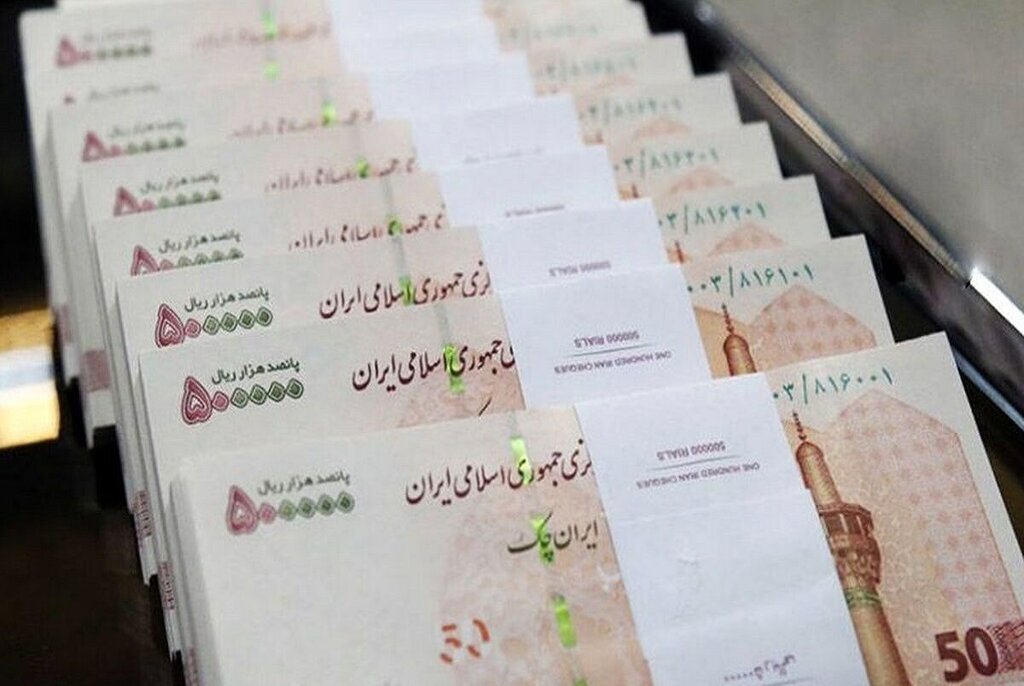
According to Khabaronline news agency, the increase in salary credits and benefits of provincial employees in the 1406 budget is more than that of Tehran staff. A decision aimed at reducing the gap between government employees in the provinces and the capital. According to the announcement of the Program and Budget Organization, this approach is supposed to gradually reduce the difference in payments and create more balanced conditions for the employees of executive bodies.
Ekhtaz Online wrote: The difference in salaries and benefits of government employees in Tehran and the provinces has become one of the topics of interest in the preparation of next year’s budget. In this regard, the Program and Budget Organization has announced a plan based on which the share of provincial employees’ salary credits will increase with a greater growth than that of the headquarters forces.
What is the salary difference between Tehran and other cities?
Omid Ali Parsa, Head of Provincial Affairs of the Program and Budget Organization, referring to the difference in the salaries of the employees of the executive bodies in Tehran and the provinces, said: Currently, there is a significant and unacceptable gap between the per capita credits of the salaries and benefits of the headquarters employees based in Tehran and the forces working in the provincial units, which must be corrected.
He explained that in some executive bodies, the average salary of employees stationed at the headquarters of the ministries is about 40 million tomans; While the average income of the employees of the same devices in the provincial units reaches about 10 million Tomans per month.
According to Parsa, this significant difference has caused some provincial institutions to seek the nationalization of their credits.
Increasing the salaries of provincial employees in the 1406 budget
The Head of Provincial Affairs of the Planning and Budget Organization, referring to the government’s approach in preparing the budget for 1406, stated: The decision is that the growth of provincial employees’ salaries and benefits credits should be greater than the growth of headquarters employees’ credits.
The purpose of this decision is to gradually reduce the payment gap and bring the income of provincial employees closer to their colleagues in the headquarters located in Tehran.
Parsa added: In the past years, measures have been taken to reduce this gap, but the amount and speed of credit increase has not been able to resolve the existing difference. For this reason, in the budget of 1406, a proportional and significant growth will be expected for the credits of the provinces.
Changing the method of budget allocation to the provinces
Another plan of the government in the formulation of the 1406 budget is to change the mechanism of allocation of provincial credits. According to this program, the payment of resources to the provinces is related to the fulfillment of their revenue obligations.
Explaining this approach, Parsa said: There is supposed to be a clear and guaranteed connection between the budget commitments of the provinces and their commitments to provide resources.
Based on this, the required credits of each province are predicted according to its needs, but the payment of resources will be dependent on the amount of fulfilling revenue obligations and the real capacity of revenue generation of the dependent regions.
Referring to the difference in the economic power of the country’s provinces, he said: Tehran alone provides about 50% of the general income of the country’s provinces, while the share of some provinces such as Sistan and Baluchistan and Lorestan is much lower.
For this reason, it is impossible to consider the same mechanism for providing resources and allocating credits regardless of the differences in the economic and income capacities of the regions.
changing the budgeting system; Increasing the powers of the provinces is on the agenda
The head of provincial affairs of the Planning and Budget Organization also announced the government’s plan to move from a centralized budgeting system to a two-level national and provincial model.
Pointing to the necessity of increasing the powers of the provinces, Parsa said: In the current situation, in some cases, the provinces are entrusted with tasks, but they are not given enough authority and credit to carry out these responsibilities.
According to him, this situation causes problems in the field of responsibility and accountability of provincial managers.
Based on this, the government, emphasizing on the central program and result orientation, seeks to delegate more tasks along with the transfer of powers, credits and responsibilities to the provinces.
This approach is also taken into consideration in Article 17, Clause P of the Seventh Development Program Law, and its executive regulations specify the framework for the division of duties between the national and provincial levels.
The balance of government employees’ salaries in next year’s budget
Parsa further announced the review of solutions to create more coordination and balance in the personnel payments of the employees of the institutions included in the budget system.
Based on this, correcting the difference between the staff and provincial employees, increasing the powers of the regions and changing the method of resource allocation will be among the axes of attention of the Program and Budget Organization in the formulation of the 1406 budget.
However, the exact amount of the increase in provincial employee salary credits and how it will affect the final salary of employees has not been announced yet.
223225