



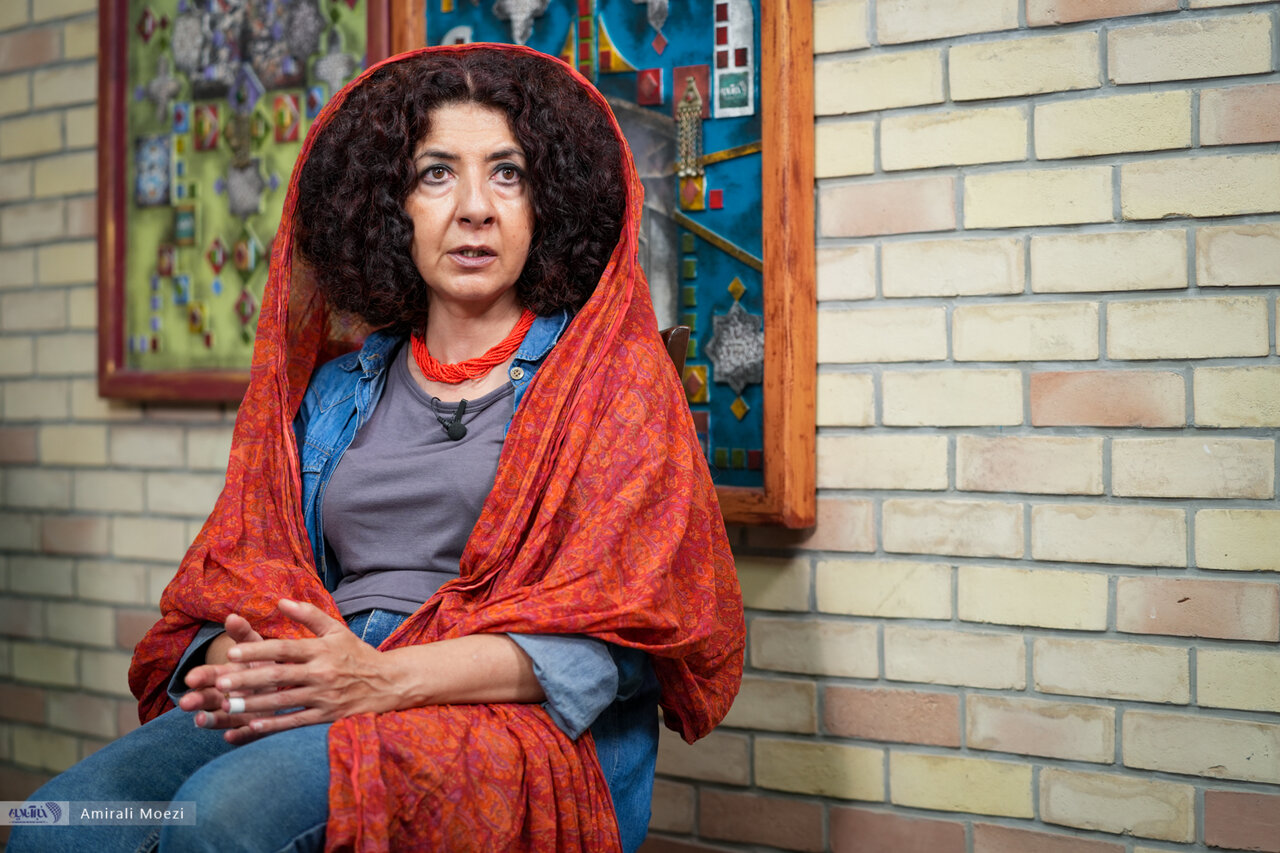


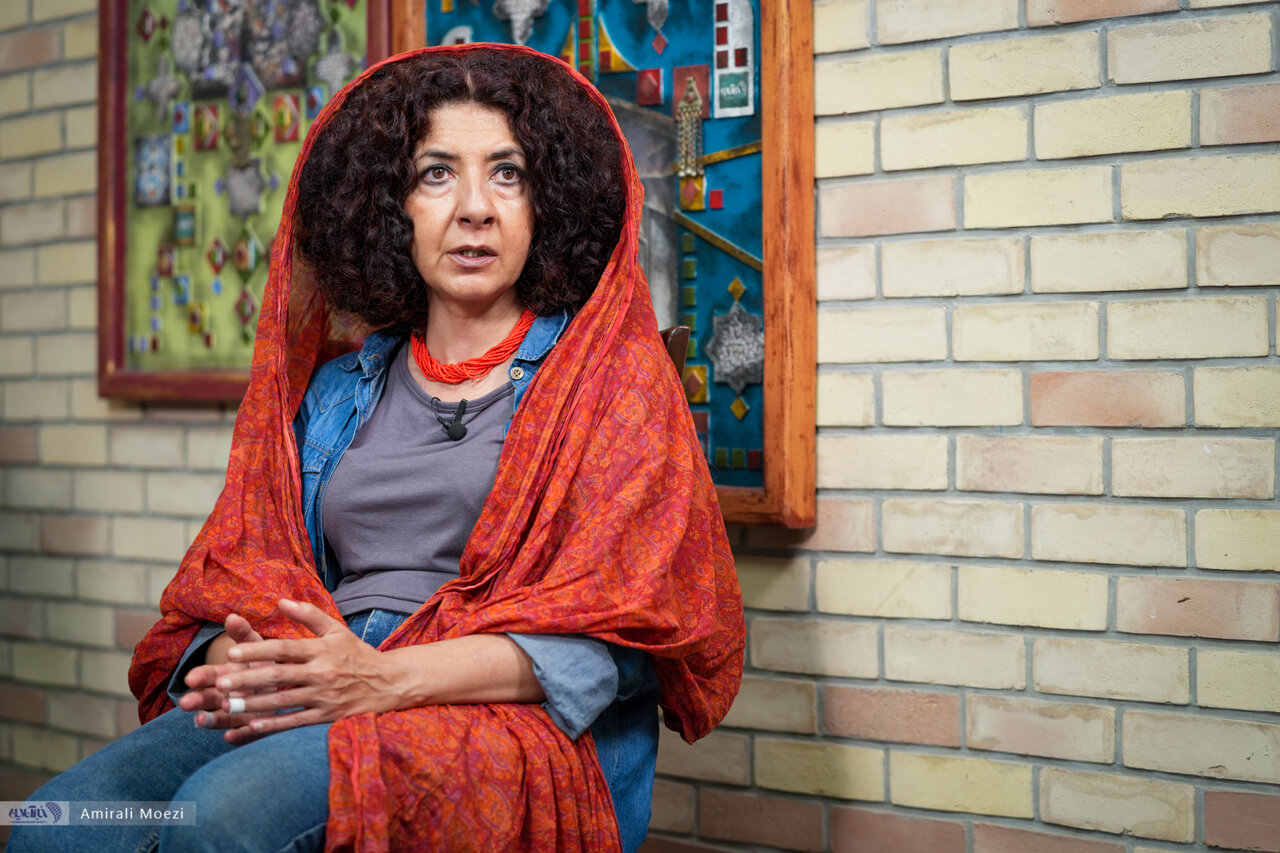
According to Khabaronline news agency, Banafsheh Samgis, referring to her field experiences in Bushehr and Hormozgan provinces, explained that shooting is not limited to the transfer of goods and fuel and in some cases, it also includes the transfer of weapons, drugs and people. Narrating an experience of his trip to Jask region in Hormozgan, he said of a conversation with a person who was in charge of coordinating the trafficking of people, weapons and drugs; A person who, in order to hide his identity, was willing to speak only under very limited circumstances.
Stating that the director probably could not have shown all these dimensions in the film, this journalist emphasized that addressing such issues could have made the weakness of the law enforcement and even judicial system more obvious in the face of an unhealthy economy that provides the basis for the formation of these phenomena.
Samgis also pointed to the difference in the punishment of shooters who move people and people who carry goods such as shoes, and said that there are limits to the representation of these realities in the cinema, and part of the lived experience of the people of these areas remains unsaid. He considered the lack of livelihood and job opportunities in the southern provinces as one of the main reasons for some people to engage in these risky activities.
Samgis made these statements in a group discussion at Khabar Khabar Online Cafe in the presence of Hossein Raghofer, economist and university professor, and Reza Saemi, journalist and film critic, about the social and economic aspects of the movie “Escort”.
In the following, you will see a video of Banafshe Samgis talking about the limitations of the representation of the shooting phenomenon and its hidden dimensions in the movie “Escort”.
59244




