





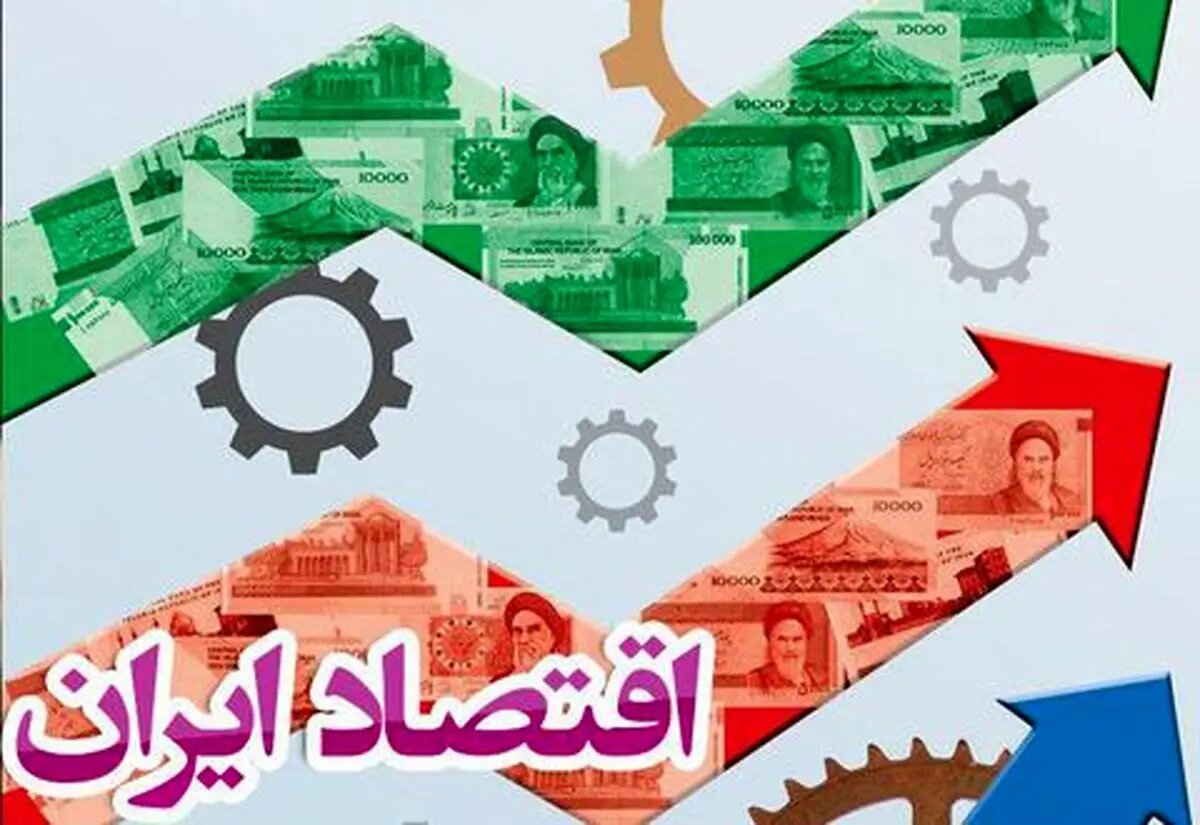
According to Khabar Online news agency, Morteza Ezzati, an economic expert, referring to the possibility of political and military tensions, believes that Iran’s economy is not immune to all crises despite having the capacity to meet basic needs and overcome external restrictions. According to him, the drop in production and the decrease in people’s economic income in the last 15 years are the most important weaknesses of Iran’s economy to face new shocks.
In an interview with Khabar Online, Ezzati considered economic resilience to be dependent on a set of factors including domestic production capacity, market management power, households’ living conditions, investment, employment and political relations. He emphasized that the mental strength of the society is also important along with the economic capacities, and the spread of rumors and false news can affect the public atmosphere and the tolerance of economic pressures.
Referring to the capacity of domestic production in providing basic goods such as wheat, chicken, eggs and bread, this economic expert believes that part of the country’s needs can be met through domestic production. According to him, although the production of some goods depends on imported raw materials, it is possible to supply these items from different routes and different countries.
Ezzati also considered the control of the exchange rate and the price of goods as one of the important duties of the policy makers and warned that the increase in the exchange rate will increase the cost of production and reduce the purchasing power of households. He emphasized that in crisis situations, people and economic enterprises are most affected by price increases, production reductions, and economic restrictions.
In another part of this conversation, this economic expert pointed out the state of the country’s foreign exchange resources and citing the statements of the Governor of the Central Bank, he listed the existence of different ways to earn money and transfer currency among the capacities of Iran’s economy. He also claimed that the country’s currency inflow in a six-month period after the start of the war was more than the same period of the previous year.
In order to increase the resilience of Iran’s economy against possible crises, Ezzati considered three urgent measures necessary: preventing the increase in the exchange rate, supporting domestic production and improving relations with neighboring countries. According to him, the use of regional capacities can help reduce external pressures.
However, he emphasizes that the existing capacities should not be considered as immunity of Iran’s economy against any kind of crisis; Because the continuation of tensions, the further drop in production and the intensification of livelihood pressures can affect the economic power of the country.
More details about Morteza Ezzati’s assessment of the weak points of Iran’s economy, the state of foreign exchange resources and three immediate solutions to increase economic resilience can be found in link Read below.
223224