



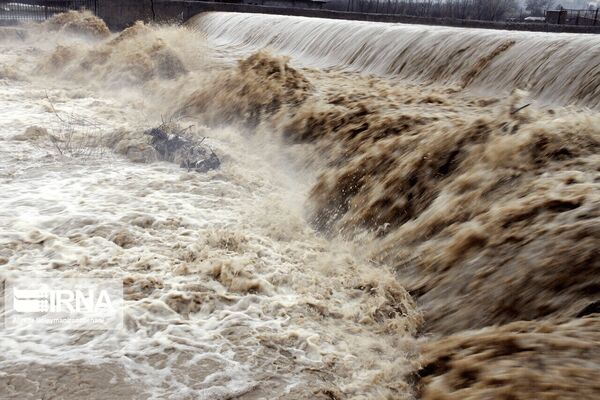


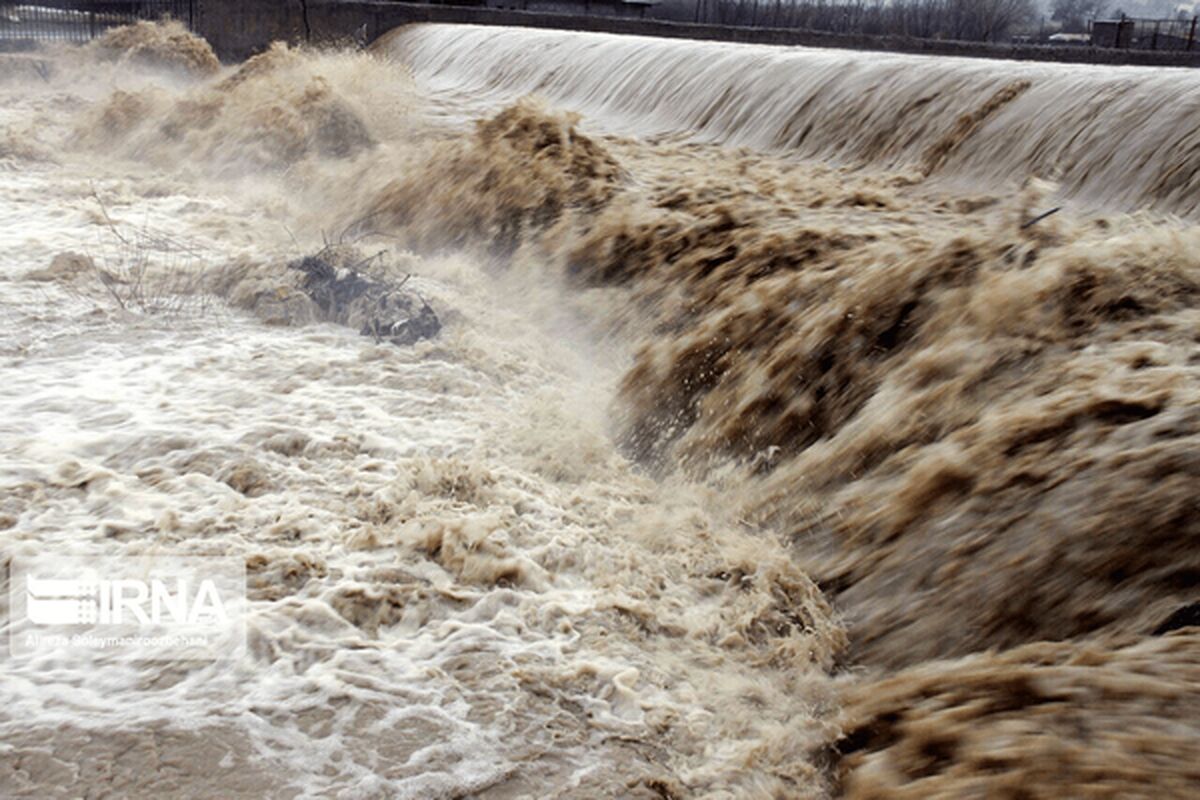
The Meteorological Organization has issued a red warning for Saturday and Sunday; The crisis management asked the citizens to cooperate in the management of these weather conditions by avoiding unnecessary traffic and staying away from the banks of the rivers.
According to Fars report, Ali Nasiri, head of the Tehran Crisis Management and Prevention Organization, referring to the issuance of a red meteorological warning for Saturday and Sunday, said: The Meteorological Organization rarely issues a red warning for Tehran, and this warning indicates the possibility of flooding with extensive damage. Therefore, the issue should be taken seriously.
He added: According to meteorological forecasts, heavy rain, thunder and temporary strong wind are predicted in different areas. Also, in mountainous areas, fog, snowfall and blizzard are not far from expected.
Stating that one of the most important dangers of this rainfall system is the flow of runoff and the rise of the water level of rivers, Nasiri said: there is a possibility of flooding of river banks, flooding of urban roads and even flooding of some rivers and canals. Rivers that are dry under normal conditions may also face a large volume of runoff.
Referring to the measures taken to deal with the possible flood, the head of Tehran Crisis Management Organization stated: We have started the necessary measures in urban management and several meetings have been held in 22 areas, especially priority areas and flood-prone areas. Extensive dredging and cleaning of rivers and canals has been put on the agenda and a significant part of urban service measures have been carried out in this field.
He continued: Considering the high amount of predicted rainfall, we are facing an unprecedented weather phenomenon. The Meteorological Organization usually does not issue a red warning for Tehran, and this shows that we must be prepared.
Emphasizing the need for citizens to follow safety recommendations, Nasiri said: We request people to refrain from climbing and being at heights during these two days and not to go to the banks of rivers and canals. Also, avoid unnecessary traffic with a private car.
He added: “Heavy rain can slow down the speed of cars and block roads.” We ask the citizens to use public transportation if possible so that the city routes remain open for the traffic of emergency and service vehicles and the health of the citizens is not endangered.
Referring to the possibility of damage to urban infrastructure, the head of the Tehran Crisis Management and Prevention Organization stated: In such a situation, there is a possibility of disruption in communication networks, mobile phones and fixed lines. Water and electricity infrastructure may also be damaged. There is also a risk of electric shock and lightning strikes; Therefore, citizens should stay away from electric poles and electrical equipment and stay indoors during thunderstorms so that unstable weather conditions pass.
He also said about the reason for the increase in heavy rains in some parts of the world: Part of these changes is related to the El Nino phenomenon and climate changes. As the earth warms, the rate of evaporation of the Pacific Ocean water increases, and this issue can change precipitation patterns in different regions of the world; In such a way that drought occurs in some areas and heavy and unusual rains in other areas. These changes may last for several years.
Referring to Tehran’s crisis management preparedness programs, Nasiri said: Flood-related maneuvers, including in the area of Chitgar Lake and Taleghan Dam, were held with the presence of more than a thousand managers and rescuers, and water evacuation pumps were also prepared and deployed.
He continued: Flood maps and flood risk maps of Tehran city have been prepared and crisis management does not enter into this situation blindly. We have identified the points where there is a possibility of problems and have communicated the cases to the regional managers so that possible problems can be solved.
The head of Tehran Crisis Prevention and Management Organization emphasized: Urban assets and infrastructures located in flood risk areas have also been identified and notified to the relevant authorities. Among these cases, we can mention metro stations, hospitals and other important urban infrastructures so that preventive measures can be taken to reduce possible damages.
He added: The methods of dealing with floods have been announced to the areas and the necessary equipment, including sand bags, have been prepared for use in places where there is a possibility of water entering.
Referring to the capital’s surface water diversion network, Nasiri said: Tehran has about 550 km of tunnels and canals for directing surface water. The reservoirs have also been dredged and cleaned, but there are still bottlenecks that may face backflow problems during heavy rains. In this regard, we have talked with the regions and flood evacuation machines and equipment have been deployed in the required places.
The head of Tehran’s crisis prevention and management organization emphasized: “Preparation of urban management does not mean that there is no need for people’s cooperation.” Citizens should take safety recommendations seriously and avoid high-risk areas. In addition to Tehran, the surrounding areas of the capital, including Imamzadeh Dawood and Shamshak, are also included in the crisis management monitoring and preparedness programs.




