



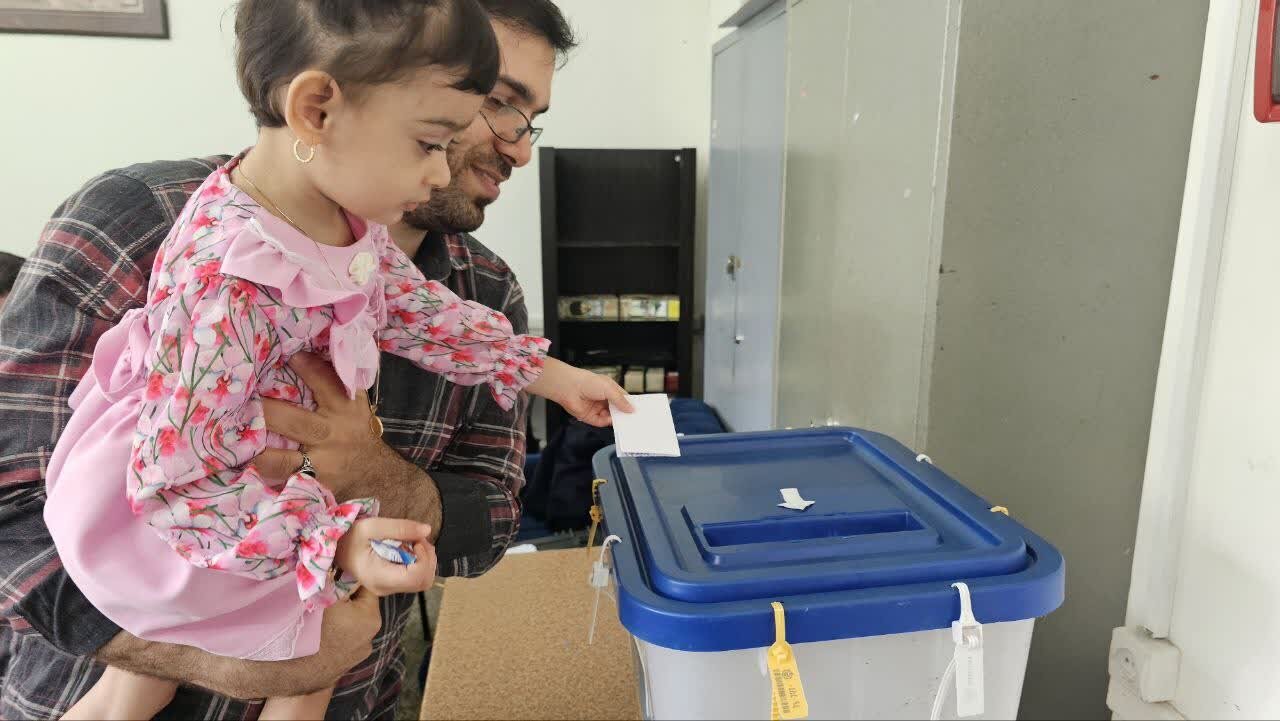



According to Khabaronline news agency, the main rules of parliament elections are in the constitution and election law Islamic Council has come According to Article 62 of the Constitution, representatives are elected by direct and secret vote of the people, and Article 63 determines the term of representation for four years. Registration of candidates, examination of qualifications, introduction of final candidates, advertisements, voting and announcement of results are the main stages of elections.
What is the election of the Islamic Council?
Parliament elections are the way to elect people’s representatives in the legislature. During their term of office, MPs scrutinize proposals and bills, vote on the annual budget, and use legal oversight tools such as ministerial questions, impeachment, and investigations.
The composition of the parliament can affect legislative and oversight priorities. However, the parliamentary election does not mean the direct election of the executive directors of the country. The main duty of the representatives is legislation and supervision within the limits of the powers of the parliament; The enforcement of laws and the day-to-day administration of the institutions are the responsibility of the executive institutions.
Parliament term and number of representatives
According to Article 63 of the Constitution, the term of representation in the parliament is four years, and the elections of each term must be held in such a way that the country does not remain without a parliament. The law also foresees the possibility of mid-term elections for some vacant seats.
Currently, the number of MPs is 290. Article 64 of the Constitution and the Election Law have provisions on the number and distribution of seats; Therefore, the number of seats and the range of constituencies should be checked based on valid laws and possible changes. Some constituencies choose one representative and others choose several representatives.
The law also provides five seats for recognized religious minorities: Zoroastrians and Kilimians elect one representative each, Assyrian and Chaldean Christians together elect one representative, and Armenian Christians from the north and south elect one representative each.
Voting conditions
The conditions of the voters are specified in the electoral laws. According to the current regulations, the voter must have the citizenship of the Islamic Republic of Iran and be at least 18 years old on the day of voting. Authentication and necessary documents are subject to the official instructions of each course.
Details such as acceptable documents, authentication methods, branch locations, and vote registration methods may change due to changes in law or executive instructions. Therefore, it is better for voters to check the official announcements of the Ministry of Interior and the country’s election headquarters before the elections. They should also enter the names of the candidates in the ballot according to the official list of the constituency and in a clear way.
Conditions for candidacy in parliamentary elections
Candidates must meet the conditions stipulated in the election law and go through the registration and qualifications review process. The law has provisions on issues such as citizenship, age, education, legal requirements for engagement and some possible obstacles. These terms may change by amending the law; Therefore, candidates should refer to the valid and updated text of the law and official notifications of the same period.
Registration alone does not mean confirmation of eligibility or definitive participation in the competition. After registration, candidates’ conditions are checked in legal processes, and the ways and deadlines for protesting the results are subject to the law.
Procedures for conducting parliamentary elections
1. Announcement of election schedule
At the beginning of the process, the responsible authorities announce the schedule of the election process. This schedule can include the registration deadline, qualification review, advertisements, voting day and protest handling procedures. Compliance with legal deadlines is essential for volunteers and executive agents.
2. Registration of volunteers
People who intend to become candidates register according to the announced method and time and provide the required information and documents. Registration is the beginning of the case review and is different from being on the final list of candidates.
3. Check qualifications
After registration, the conditions of the candidates are checked according to the law. Article 99 of the Constitution has entrusted the supervision of the parliamentary elections to the Guardian Council. The process of examining and handling objections is also done according to legal procedures and deadlines. In the news report of this stage, a distinction should be made between registration, qualification review, result announcement and publication of the list of final candidates.
4. Introduction of candidates and advertisements
After the final candidates are determined, they can introduce their plans and views within the framework of advertising regulations. Voters can review candidates’ records, programs and positions on constituency issues.
Election advertising is subject to legal restrictions. The allowed time of advertising and regulations related to the way of advertising or using public facilities must be observed based on the law and announcements of the same period.
5. Voting and counting of votes
On Election Day, eligible voters vote according to official guidelines. After the end of the voting, the votes will be counted and the relevant minutes will be prepared. In constituencies that elect several representatives, the voter must register the names of candidates within the prescribed limits for the same constituency.
The way to choose winners depends on the number of seats in the constituency and related legal regulations. In some cases, another round of voting may be required to determine the remaining delegates.
6. Announcing results and handling objections
The results will be announced after counting the votes and following legal procedures. Announcing preliminary results is not necessarily the end of legal proceedings; Possible complaints and objections are investigated according to regulations. To introduce the final candidates, the official announcement of the responsible authority should be cited.
The role of the Ministry of Interior and the Guardian Council
The Ministry of Interior and executive agents are responsible for conducting elections within the framework of the law. Executive planning, coordinating with local agents and preparing for voting are among the affairs of this department.
The Guardian Council also supervises the parliamentary elections based on Article 99 of the Constitution. The implementation of electoral affairs and its supervision are two separate responsibilities and each is carried out within the legal jurisdiction of the relevant institution.
Why is informed participation important?
Members of Parliament participate in decisions that may affect the economy, education, health, transportation, the environment, and the public budget. Therefore, checking the programs and records of the candidates can help to make a more informed choice.
In evaluating the promises, one should pay attention to the limits of the representative’s powers. For example, the direct implementation of many projects is the duty of executive bodies or city management; The representative can pursue an issue within the framework of his legal powers or propose to amend the laws, but he is not responsible for the implementation of other institutions.
It is also better to check election information from reliable sources. Rumors, unsourced statistics and promotional materials may present a false image of the candidates or the election process. Referring to the text of the rules, official notices and verifiable information helps to make a more accurate decision.
summary
The elections of the Islamic Council are held based on the constitution and the election law, and the process includes registration, examination of qualifications, introduction of final candidates, advertisements, voting, counting of votes and announcement of results. The parliament plays a role in legislation, budget review, and monitoring the government’s performance, but the duties of the representatives should not be equated with the executive responsibilities of the government.
Knowing about the voting conditions, nomination criteria, the role of the Ministry of Interior and the Guardian Council and the limits of the powers of the representatives helps to better understand the elections. For the details of each course, the updated text of the laws and official announcements of the responsible authorities should be considered.
3157




