



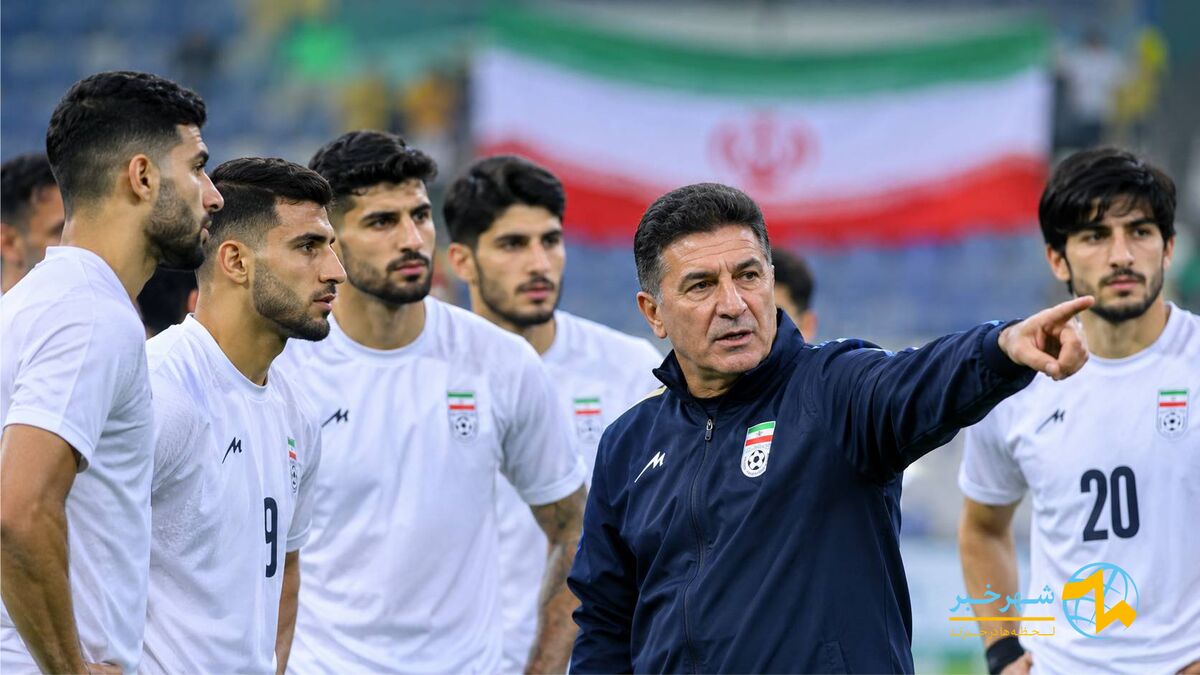


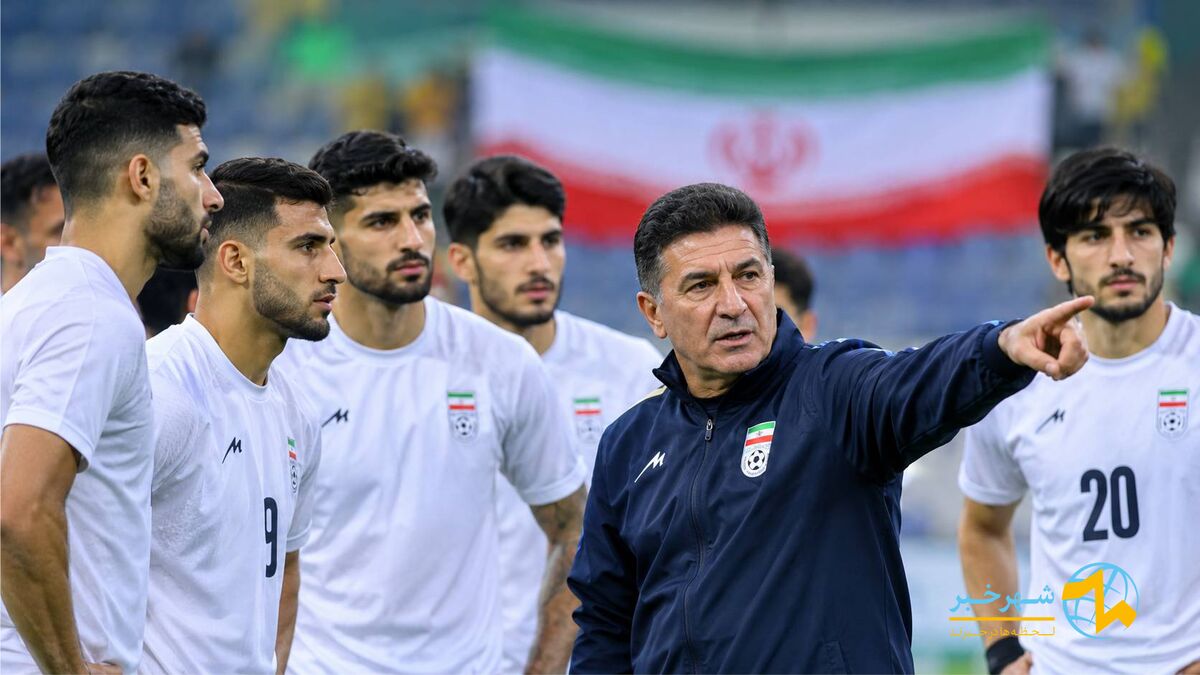
Iran’s national football team is on the threshold of one of the important stages of generational changes. The publication of the new list of invited players for the preparatory matches against Palestine and Iraq has once again drawn the attention of football fans to the issue of youth. This list, accompanied by the presence of some lesser-known figures, is one of the most important subjects News Iranian football has been in recent days.
According to the list announced by Amir Ghalenoui, 29 players have been invited to participate in the national team camp. The absence of names such as Mehdi Tarimi, Alireza Jahanbakhsh, Ehsan Hajsafi and Shoja Khalilzadeh, along with the presence of younger players, shows that the technical staff intends to have more time to evaluate new options.
One of the notable points in the new list of the national team is the decrease in the average age of the players. According to Mehr News Agency, the average age of the people invited to this camp is about 25 and a half years. An issue that can be a sign of the technical staff paying more attention to the young generation of Iranian football.
Players such as Amirmohammed Razzakinia, Javad Hosseinnejad, Ismail Qolizadeh, Afshin Sadeghi and Kasri Taheri are among the invited players. This opportunity can be a starting point for players who have performed significantly in club competitions to establish themselves at the national level.
Of course, being in the national team list alone does not mean success in the path of generational change. Young players must be able to show their abilities in training and international matches and gain the trust of the technical staff. For this reason, the news about the performance of these players in the new camp can be very important for football followers.
Juvenility in football does not happen only by inviting young players. The experience of national football has shown that many players need the opportunity to play, the trust of the technical staff and continuous presence in the team in order to reach the desired level.
Now the most important question about the national team is whether the young players can use the opportunity and become the main options of the composition or their presence will be limited to temporary camps?
This issue becomes more important when we know that in the announcement regarding the new list, it is emphasized that the absence of some experienced players does not mean changing their position in the future plans of the national team. Therefore, this camp alone cannot be seen as a definite sign of the previous generation’s departure.
On the other hand, the coordination between the senior national team and the Omid team can also play an important role in the support process. According to the announcement of the federation, a number of young players will be present in the Omid team’s camp and will continue to be evaluated under the supervision of the senior technical staff. Such an approach, if continued, can make the transfer of talented players to the national team more regular.
The Iranian national team must play against Palestine and Iraq in the Iraq international tournament. These matches will be held in Basra from November 22 to 26, and Iran will face Palestine and Iraq on November 23 and 26, respectively.
These two matches can be a good opportunity to measure the conditions of the invited players. Although it should not be expected from a few limited meetings that all the problems related to the change of Iranian football generation will be solved, but the way of using young people and the level of trust in them can provide a clearer picture of the future plans of the technical staff.
In the meantime, following the news of the national team and checking the performance of new players can help to better understand the path forward for Iranian football. A path in which short-term conclusions should not be the only criteria for decision-making. Shahr Khabar also pays attention to these changes and opportunities that are created for the new generation of players.
In order to maintain its position in Asia, Iranian football needs players who, in addition to technical ability, have gained enough experience to participate in major competitions. Achieving this goal is not possible without long-term planning and gradual trust in young talents.
Qalanoi now faces an opportunity that he can use to build a balanced mix of experience and youth. Experienced players can still play a role in transferring experience, and on the other hand, young players will be gradually ready to accept bigger responsibilities by participating in national tournaments.
Finally, the success of the rejuvenation project will not be measured by the number of new players in the camp list, but by their progress, their continued presence and the performance of the national team in official competitions. What is important in the coming months is turning temporary opportunities into a real plan for the future of Iranian football.