



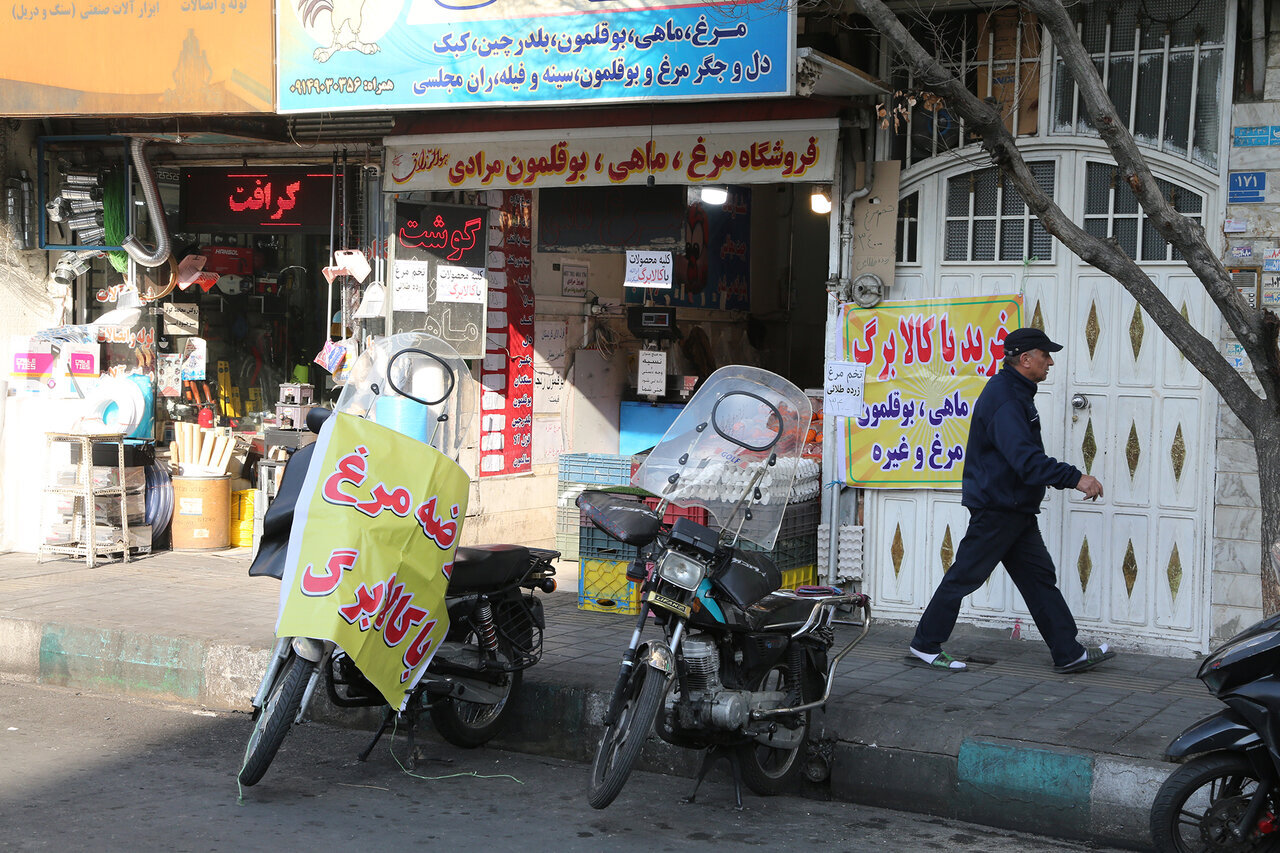



According to Khabaronline news agency, while the government seeks to limit the cycle of electronic invoices by revising the criteria of affordability, concerns about the consequences of this decision on the food security of the middle and working classes have increased. Experts and parliamentarians believe that in a situation where wages have not kept pace with inflation, the removal of Kalabergi support can double the economic pressure on families that are on the border of poverty.
change in support pattern; Targeting or deletion?
Tasnim wrote: According to the new plans of the Ministry of Labor, the government is revising the criteria for receiving Kalabergh with the aim of returning resources to the really vulnerable groups. According to this plan, the beneficiaries are identified through the monitoring of properties, bank transactions and income levels. Although the purpose of this measure is to prevent the wastage of resources and to reach the deserving people (such as the disabled, female heads of households and people without housing), the implementation of this plan in the first phase has led to the removal of about one million households from the list of beneficiaries.
Parliamentary concerns; The need for a holistic view of food security
This change of approach has been accompanied by a kind of consideration from the members of parliament. Mehdi Esmaili, a member of the social commission of the parliament, pointed out the challenges in the method of decimalization, and emphasized that in today’s inflationary environment, high prices have affected all layers of society.
He believes that Kalaberg should not be just a limited support tool, but should be considered as part of the food security infrastructure. Esmaili called for more transparency on the management of resources resulting from the removal of preferential currency to ensure that these resources repair livelihood gaps.
the voice of the workers; The gap between standards and the realities of life
On the other hand, labor activists also warn about the accuracy of identification algorithms. Samia Golpour, a labor activist, looking at the social dimensions of this plan, the question is whether the statistical criteria correctly reflect the complexities of the lives of workers and retirees?
He pointed out that many people are in the upper deciles, while they do not have the financial ability to sustain themselves with the back-breaking costs of treatment, rent and price fluctuations. From the point of view of the workers, this way of identification may lead to creating a gap between classes and weakening social solidarity.
According to this report, in the final analysis, it should be noted that in the current conditions of Iran’s economy, Kalaberg is not only a purchase facility, but one of the most important “pillars of support” to deal with inflationary shocks. Considering that in recent years, wage rates have not been aligned with the real rate of inflation and a kind of “freezing of purchasing power” has prevailed in the society, the removal of any indirect support (such as Kalaberg) intensifies the pressure on families who have lost their direct purchasing power.
Therefore, if monetary and fiscal policies have failed to contain inflation or update wages, the removal of commodity supports could have an unpleasant consequence. To maintain social stability and livelihood security, it is necessary for the government to establish a smart balance between “targeting resources” and “maintaining minimum living standards” in order to prevent damage to the productive and middle class of society.
223225




