





Laia Noorani Zenouz
The group of cities: After the days when drought had changed the face of many wetlands in West Azerbaijan, proper rains and the re-flow of water in the rivers have brought new signs of the return of life to these ecosystems. The increase in rainfall and the measures taken to facilitate the entry of water and the provision of irrigation water have given a promising perspective to the province’s wetlands. But besides these positive signs, the possibility of continuation and strengthening of the El Nino phenomenon in the coming months highlights the necessity of preparation and more accurate management of water resources more than in the past.
With 40 wetlands in 2 basins of Aras and Lake Urmia, West Azerbaijan is one of the important provinces of the country in the field of wetland ecosystems. In the past years, these valuable areas have been affected by fluctuations in rainfall, reduction in river flow and pressure on water resources, and now, with the relative improvement of water conditions, the issue of preparing for the climatic conditions of the coming months has become more important.
100% increase in rainfall in 2 important watersheds
The Director General of Environmental Protection of West Azarbaijan, in an interview with the news reporter, said: Since the beginning of the new water year (October 1 until now), the rainfall in the catchment areas of the Aras River and Urmia Lake, where the province’s wetlands are located, has increased by 100 percent compared to the same period of the previous water year, and due to the end of the agricultural season and the reduction of unauthorized harvests from Anhar, the wetlands have started draining water earlier than in previous years.
Hojat Jabari added: Considering that last year we had a favorable situation in terms of rainfall in the catchment areas of the province, so most of the wetlands in the province were in good condition, and with the start of autumn rains and the wetlands being drained, now, fortunately, most of the wetlands in the province are in a satisfactory condition. Of course, to maintain the ecological stability of wetlands and overcome water stress in dry seasons; Until the beginning of the agricultural season and as long as the water flow of the rivers continues, the wetlands will continue to be drained. He stated: Now the wetlands of Kanibrazan, Dargeh Sangi, Hasanlu, Noruzlu and Yousefkandi have 60 to 70% water.
Increasing the water level of wetlands does not mean restoration
Although the increase in the water level of the wetlands is a promising sign of the improvement of their conditions, it alone does not mean the complete restoration of these ecosystems.
In this regard, the Director General of Environmental Protection of West Azerbaijan emphasized the need to distinguish between dewatering and ecological restoration and explained: In addition to increasing the volume of water and the level of the water zone, the restoration of wetlands is dependent on the return of the natural functioning of the ecosystem, biodiversity, native vegetation, migratory birds, the proper quality of water and sediments, and the natural cycle of water. It is also possible that a wetland has been drained, but it is still facing problems such as habitat destruction, biodiversity reduction, or high water salinity.
He further stated about the measures in the protection of wetland areas with the aim of defining the boundaries of these ecosystems: the regional water company of the province has determined the bed limit of 10 wetlands and the environment has also determined the ecological border of other wetlands, which has helped to reduce the destruction of the bed and the encroachment of wetlands.
title; Support for water retention in wetlands
Rainfalls provide a valuable opportunity to improve the condition of wetlands, but the continuation of these conditions is not only dependent on the amount of rainfall, but the way water resources are managed and distributed also plays a decisive role in that, providing environmental protection, especially in periods of low rainfall, is one of the most important factors in maintaining the flow of water to wetlands.
The Director General of Environment of West Azerbaijan said in this regard: Unfortunately, one of the threatening factors of wetlands is the lack of proper quality water supply, including the entry of agricultural runoff, and this issue is one of the threatening factors of wetlands in the country and the world.
Jabari clarified: Based on the existing laws, determining the water rights and water needs of the wetlands is the responsibility of the Environmental Protection Organization and the provision of it is the responsibility of the Ministry of Energy. In West Azerbaijan, the ownership of 12 wetlands from the catchment area of Lake Urmia and the designation of wetlands in the Aras River catchment area are in the study program of the General Administration. The provision of environmental rights is the second priority after drinking water, which was realized in the last water year by more than 80%. Due to the problems they have in the water extraction route, Qara Gol has been provided with 50%.
Jabari also emphasized the effect of timely drainage of wetlands on the attraction of birds and announced the presence of various species in the wetland habitats of the province.
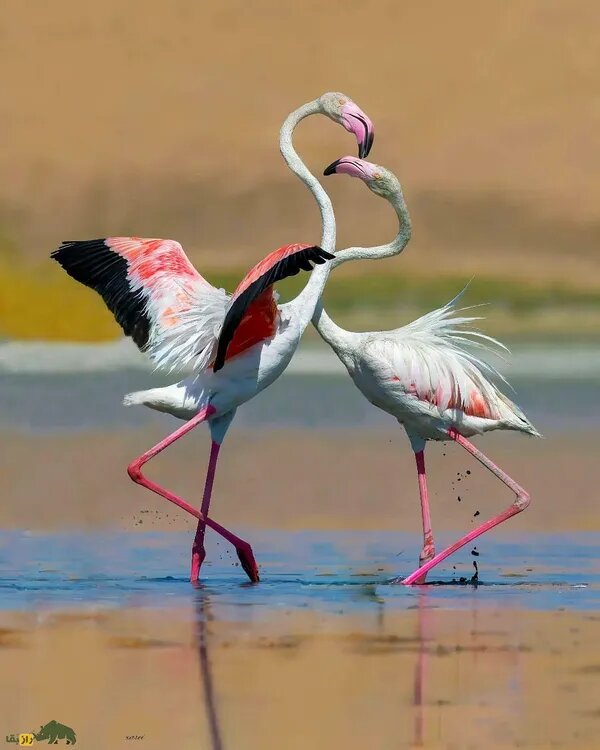
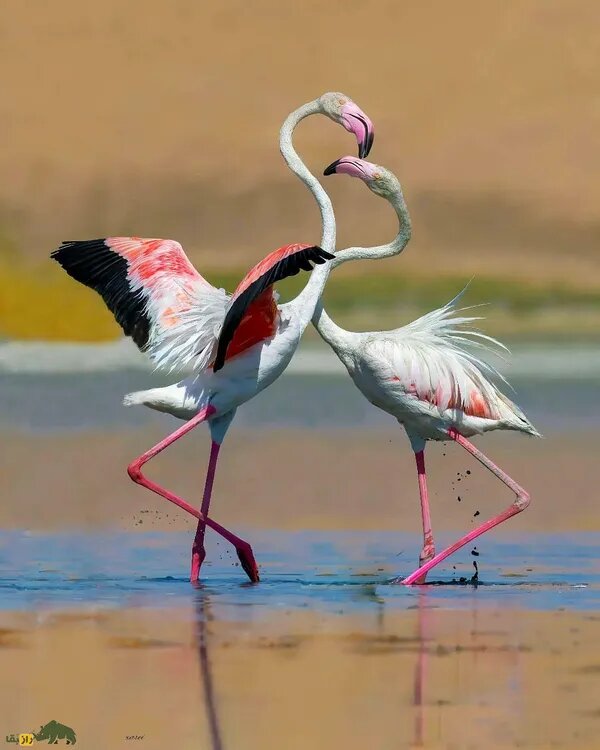
Among these species, we can mention the great flamingo, the white pelican, the peacock, the tange, the white-headed duck, the marbled duck, the head duck, the green duck, all kinds of herons and kakai, the gray goose, the big and small white-fronted goose, the khotka, the filoosh, the broad-billed duck and the crested duck.
The return of water to wetlands that have faced drought in the past can provide a more suitable environment for the presence of these species and strengthen bird habitats; A process whose continuation depends on maintaining the water flow and taking care of the quality of the habitats.
agriculture and water resources management; The challenge facing wetlands
Along with rainfall and protective measures, water consumption management in catchment basins is one of the important factors in maintaining the favorable conditions of wetlands. Director General of Environmental Protection of West Azerbaijan, referring to the high share of agriculture in the consumption of water resources of Lake Urmia, said: More than 90% of the water consumed in this basin is used in the agricultural sector.
According to him, in the years of low rainfall, the rights of the wetlands are under more pressure than in the past; Because water storage in dam reservoirs, excessive withdrawals from rivers and underground water sources can reduce the inflow to wetlands.
He considered agricultural activities to be the biggest competitor of wetlands in receiving the title, and referring to the situation of agricultural headwaters, he explained: even between November and May, despite the lack of usual agricultural uses, agricultural headwaters are open in many rivers and water is directed to agricultural lands instead of entering the wetlands.
Prepare to take advantage of the opportunity of rains
Considering the possibility of El Niño conditions continuing in the coming months, one of the important issues is the level of preparation of the responsible institutions to manage water resources and take advantage of possible rainfall.
In the meantime, the way of storing and releasing water in dams, securing the rights of wetlands, controlling harvests and keeping the water transfer routes open can play a role in determining the share of wetlands from water resources.
Referring to the correspondence made with the regional water company to meet the water needs of the wetlands, Jabari said: the governor has also emphasized in the meetings and visits that the provision of water rights to the wetlands should be the second priority of the regional water company after drinking water, and this general administration has serious follow-ups in this regard in its work plan.
Referring to the meteorological warnings about the possibility of El Nino extreme phenomenon, he said: dredging the rivers leading to the wetlands and unblocking the drainage channels have been put on the agenda in order to provide the possibility of better use of the water flows and upcoming rains.
The beginning of the “Rod Rovan” campaign
At the same time as the beginning of the autumn season and the increase in the probability of rains beyond normal, the operation of the “Rawan River” in West Azarbaijan has been started with the aim of reopening the waterways and strengthening the water flow to the wetlands and Lake Urmia, so that the province can make the maximum use of the seasonal rains to keep the wetlands and Lake Urmia alive while curbing the flood risks. It is 12.5 km, and since the beginning of this year, about 30 km of rivers and canals of the province have been dredged, of which about 16.5 km is located in the catchment area of Lake Urmia.
Majid Rostagari added: Also, dredging of more than 50 kilometers of public and traditional rivers of the province, of which about 44 kilometers were in the catchment area of Urmia Lake, has been done. The return of water to the dried wetlands and re-watering of several important ecosystems of the province is a promising sign in the way of protecting the nature of West Azerbaijan. However, the permanence of these conditions depends on the continuity of water flow, water supply and coordinated management of water resources.
The upcoming rains, no matter how much, can become a real opportunity for wetlands when the path of water entering these ecosystems is kept open and their environmental contribution is considered in water resource planning.




