



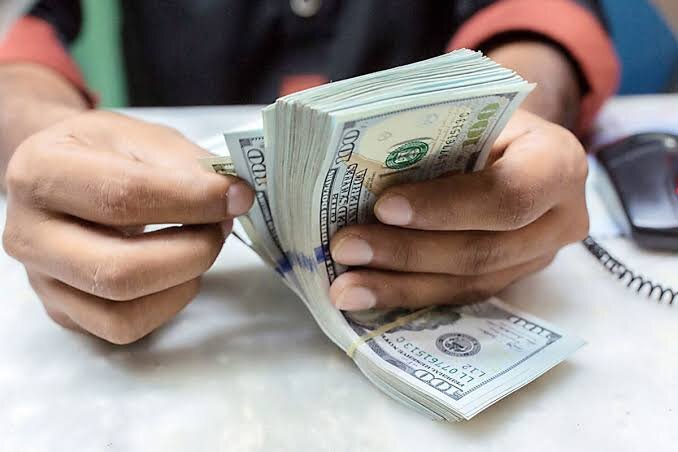



According to Khabar Online, the dollar index, which measures the value of this currency against a basket of six major world currencies, was at the level of 103.81 units in early trading on Friday. This index had increased to 104.53 units at the beginning of the week, which was the highest level since March 2025, but then lost part of its growth. The dollar index remained almost unchanged for the week as a whole.
Mehr wrote in a news article: The US dollar increased by 0.1% to 159.355 yen against the Japanese yen and strengthened slightly against the Swiss franc.
In contrast, the euro traded almost unchanged at $1.0964, and the British pound fell slightly to $1.3099.
According to Reuters, one of the factors supporting the dollar has been the increase in demand for safe assets following the volatility of stock markets and investors’ concerns about the prospects of companies active in the field of artificial intelligence. Doubts about the sustainability of the growth of this industry and the high valuation of technology companies have fueled the volatility of financial markets in recent weeks.
On the other hand, expectations about the US Federal Reserve’s interest rate hike also support the value of the dollar. Recent U.S. economic data, including faster-than-expected growth in the third quarter and rising inflation, have bolstered the possibility of a more accommodative monetary policy by the country’s central bank.
Meanwhile, the US government’s proposal to impose new tariffs on imports from 14 trading partners has also been one of the other topics of interest to traders. However, analysts believe that the effect of these tariffs on the currency market may be limited; Because these proposals have not been as surprising as the tariffs announced in 2025.
In sum, the currency market is still affected by two opposing forces, on the one hand, economic concerns and the demand for safe assets support the dollar, and on the other hand, stock market fluctuations and changing expectations about the path of the American monetary policy can prevent the continuation of one-sided growth of this currency.
217