



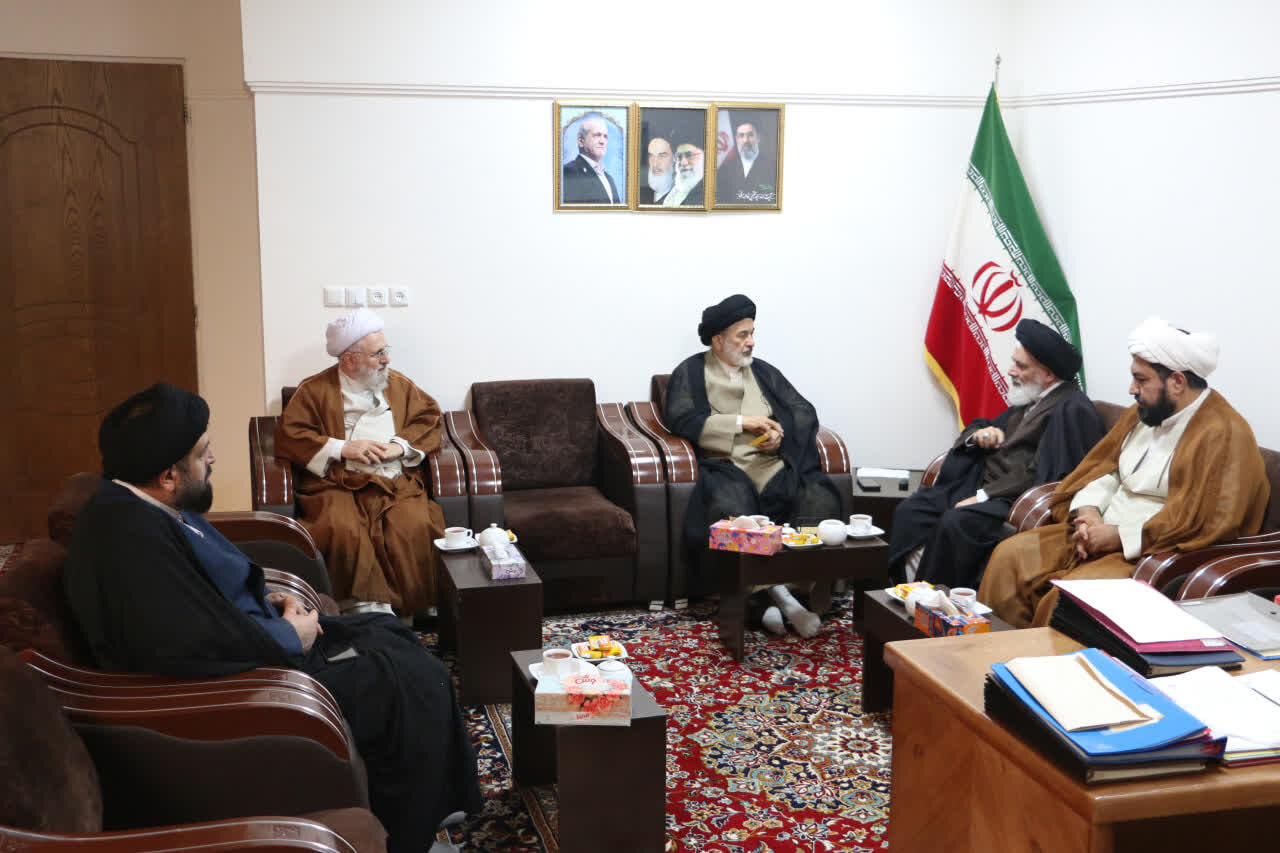


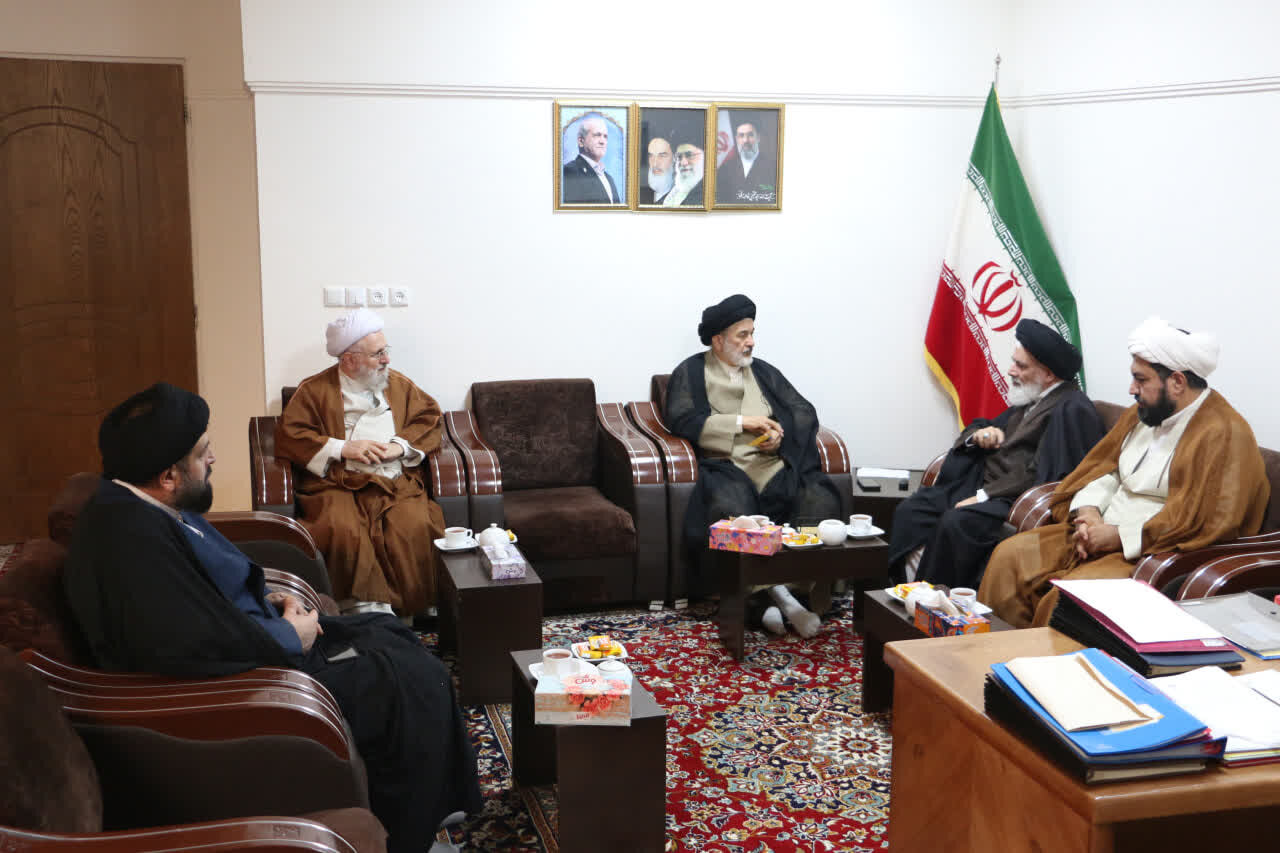
According to Khabaronline news agency, Hujjat al-Islam wal-Muslimeen Seyyed Ali Emad In a meeting with Hojjat al-Islam wal-Muslimeen Seyyed Samsamuddin Qawami, head of Islamic Management Jurisprudence Foundation, emphasizing the need to utilize the scientific and executive capacities of seminaries in solving the country’s problems, he considered Islamic Management Jurisprudence Foundation to be one of the powerful groups to help realize the neighborhood-oriented plan of the government and emphasized the need to introduce the foundation’s capacities and operational experiences to executive bodies.
According to Shafqna, he emphasized the need to know the social context of neighborhoods and added: “In neighborhoods, we are not only faced with like-minded people; Rather, there are different groups, including critical people, who have different views and those who are uncertain about our activities. Therefore, we must know the social composition of the neighborhood properly and determine how many residents are involved, which groups are silent, and which people or currents are critical of these approaches.”
The president’s advisor stated that neighborhood-oriented should not be limited to cultural activities, and clarified: “Our goal is to realize local management; Management that includes people, culture, structure, social context and neighborhood development pattern. In this direction, the real issues of the people, including poverty, disease, disputes and social harms, should also be taken into consideration.
He considered the education system to be one of the most important and effective issues in the management of the country and emphasized the necessity of evaluating the performance of the education system.
Referring to the role of education in the formation of personality and attitude of people, Seyyed Ali Emad said: “We must examine what the country’s education system has achieved in the training of human resources during 12 years of education and to what extent it has prepared people to accept social and management responsibilities. Along with the evaluation of the education process, we must also pay serious attention to its educational results.
The adviser to the president on clerical affairs also considered the multiplicity of structures and decision-making centers in the management of seminaries as requiring revision and organization and emphasized the synergy of seminaries. He said: “In order to better advance the goals and missions of the field, existing capacities should be placed together and avoid parallel work and waste of resources and opportunities in similar activities.”
Referring to the role of the mosque and the imam of the congregation in the implementation of the government’s neighborhood-oriented plan, he considered the interaction and coordination of the clergy and related institutions to be essential and stated: “The more this coordination is, the more effective the capacity of the mosque, the imam of the congregation and other community groups will be in solving the problems of the neighborhoods.”
He also demanded to introduce the document of capacities, implementation experiences and the report of operationalized plans of Islamic Management Jurisprudence Foundation to the government.
In the continuation of this meeting, Hojjatul-Islam wal-Muslimeen Seyyed Samsamuddin Qawami, the head of Islamic Management Jurisprudence Foundation, explained the activities of this foundation and announced the readiness of the group to cooperate in the field of Islamic management education, empowering managers and implementing neighborhood-oriented projects. He also emphasized the jurisprudential and empirical support of these plans.
The other attendees, referring to the educational and research capacities of the foundation, considered it necessary to facilitate the connection of this collection with the executive bodies and to introduce practical Islamic management courses to the organizations. They evaluated the government’s support of neighborhood-oriented projects, the use of pilot experiences, and the use of expert capacities in the field as effective in the development of this model in different regions of the country.
31216