



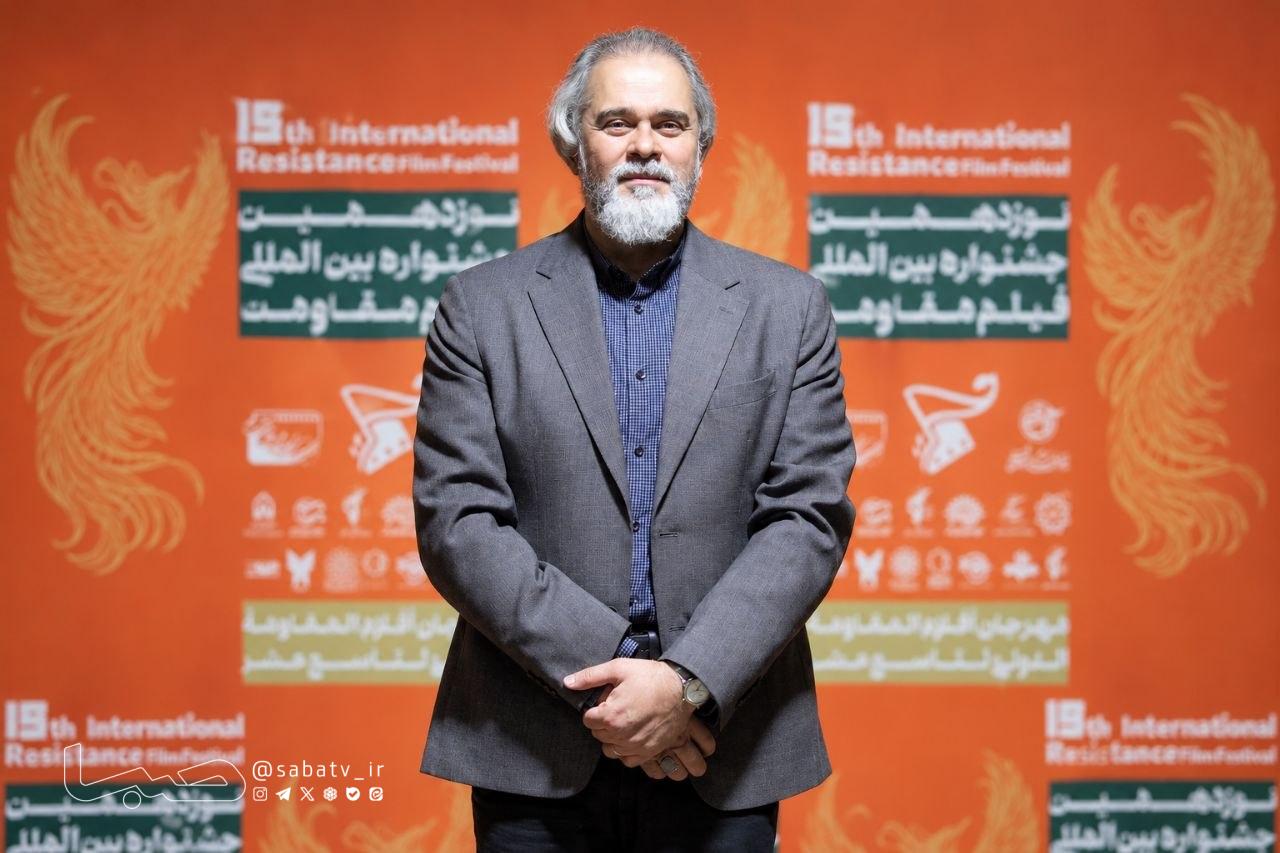


In a conversation with Saba, the head of the cinema organization emphasized the necessity of narrative cinema after the recent wars, emphasized the popularization of the resistance festival and the expansion of showing works in squares, cultural centers and provincial centers.
 Nasser Arbab/Saba, Raed Faridzadeh, head of the Cinema Organization, on the sidelines of the Resistance Film Festival, in a conversation with Saba, referring to the importance and necessity of holding this cinematic event, believes that the experience of recent wars and the necessity of recording and preserving historical memory has highlighted the responsibility of cinema in the field of narration more than in the past.
Faridzadeh stated that the importance of the resistance film festival has become more evident after two terrible wars, including the 12-day war and the Ramadan war, said: “I think the necessity and importance of this festival has become more evident than before. When we have gone through two terrible wars, the 12-day war and the Ramadan war, the task of cinema is to a large extent to narrate and preserve a memory. “I think it would be helpful to have an event dedicated to this issue.”
The head of the film organization continued by emphasizing that addressing the issue of resistance should not be limited to just one festival, stating: “Of course, we should not be satisfied with this issue only. “Certainly, the festivals and events that are held throughout the year by the cinema organization or specialized cinema institutions should have the flavor of narration from the past.”
He also considered one of the important events in the current period of the Resistance Film Festival to be the attempt to leave this event from the limited space and time frameworks, and referring to the showing of films in public and cultural spaces, he noted: “I think friends have thought of good arrangements so that the festival is not only held in a specific place and at a specific time. “The fact that films are shown in the squares, and this also happens in cultural centers and provincial centers, I think it is very important and helps to make the resistance festival more popular.”
According to the head of the cinema organization, expanding the scope of showing works and the presence of the festival in public spaces and different cities can provide a wider connection between the audience and resistance cinema and turn this event from a limited cinema program into a more comprehensive experience for the society.




