





The eight-part documentary “Head of the Organization” produced by Seyed Ali Sadrinia and directed by Sajjad Bloukat, has gone to the eventful history of broadcasting management.
According to Saba’s report, the eight-part documentary “Head of the Organization” produced by Seyed Ali Sadrinia and directed by Sajjad Bloukat, goes to the eventful history of broadcasting management; A narrative of the ups and downs of an organization whose managers’ decisions have directly affected one of the country’s most important public media. Relying on interviews with more than 100 managers and influential figures of radio and television and examining historical documents, this collection recounts the four management periods of this organization from the victory of the Islamic Revolution to the end of May 2003. “The head of the organization” tries to reveal the behind the scenes decisions and events that are usually rarely recounted in the official narratives of media history; A narrative that, watching, provides an opportunity to review the past of radio and television and reflect on the relationship between managerial decisions and the fate of the national media.
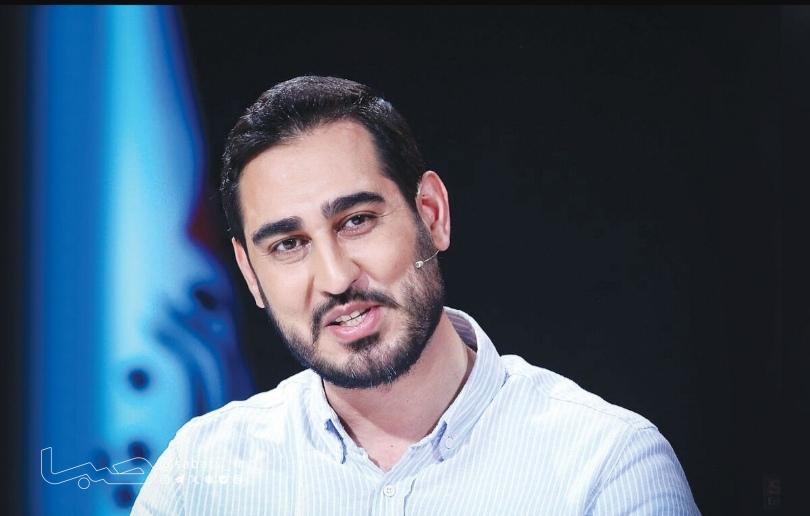
Seyed Ali Sadrinia, the producer of the documentary “Head of the Organization” at the unveiling of the second part of this documentary at the Mehr Koh Sangi cinema in Mashhad, pointed out the process of making it and said: “It took about four years to make this series, and I always had this concern that our views on radio and television at different levels during the last two decades have become negative views, even the critics of the organization have made negative criticisms so that they did not know the system of radio and television issues and did not know that this What path has the organization taken?
Stating that the organization was usually criticized or even attacked based on the likes and dislikes of which management team is at work, he pointed out that many critics of the organization do not have an expert view and are ignorant of the organization’s past, this incident has caused the level of criticism of the organization to decline. Sometimes, some of the same critics who got into the organization and sat on the management chairs of the organization, hit the wall of reality and realized that the issues were something else. In addition, some managers were unaware of the history of the organization when they sat in the management chair and did not know what path the previous managers had taken and what experiences they had, which caused a series of experiences to be repeated again and again.
Caught in the cycle of repeated mistakes
According to him, in some parts of the organization, some actions in different management periods have been repeated many times without being aware of the experiences of past managers.
Sadrinia added: We wanted to start narrating once from 22 Bahman 1957 and until the end of the management period of Martyr Larijani, we narrated the story and journey in the organization that important events have happened in this period of time. He announced the publication of the research book of this documentary in the next two months and said: This research book is more complete; Because some unsaid and unheard things that were not narrated in the documentary are mentioned in that book, of course the documentary also has many unsaid things. For example, in the third part of the documentary, we talk about a leader of a fugitive organization that there is little information about him in internet searches.
The creator of the controversial documentary “Qa’em Maqam” stated: In these four years, we entered a deep sea of information that we did not think was so scattered and wide. Four years ago, when we started working, our knowledge was not so much and we did not know what volume of information we were dealing with. At the beginning, we thought that the work would be completed with 30 interviews, but the further we went, the work became deeper and broader, and the current documentary collection is the result of interviews with 150 people, with 100 of whom we had exclusive interviews, and 50 interviews were from half-finished collections whose archives were purchased.
He added: This project was a deep sea that had no bottom, and if we were to continue the work, it would still have capacity, but we saw that some other documentary groups, due to the spread of information about the organization, their projects were half-finished and failed, so we definitely had to reach the output, and the output of the work also took four years.
Unseen and unsaid for the first time
According to him, the distinguishing point of this collection is the presence of all the heads of the Broadcasting Organization, from Ali Larijani and Mohammad Hashemi Rafsanjani to Peyman Jabali. Unseen archival interviews of Sadegh Qutbzadeh and some early managers of the organization will be published for the first time. Also, apart from the presence of all the heads of the organization in this documentary, more than 100 people of the organization’s deputies and managers also sat in front of the camera of the documentary “Head of the Organization” and presented their narratives of the events in radio and television as eyewitnesses.
Regarding the access to the archive, Sadrinya emphasized that he did not take any archive from the organization and all the archives were prepared and purchased from outside the organization with many difficulties and added: a large number of documentary maker friends helped to collect the archive of this collection, which was a very laborious task and we did not go to the organization to access the archive.
He said, “I don’t want to mention a specific person, but we hope that the documentary “The Head of the Organization” will make all the media people in the country and all those who are the audience of this documentary move one step further in their knowledge and view of the radio and television, so that the criticisms of the organization will be more expert and realistic.
In response to our reporter, this documentary maker explained the method of selecting information and the format of compiling this documentary collection: Every management period had a system of issues and we intended to deal with that system of issues in each period. In addition, a series of issues are always and today’s challenges of the organization and it was important for us to identify the important ups and downs of the organization in each period and focus on them, for example, when was the peak of the serialization field and what did the managers of that period have such output, or in the field of celebrity management, which period had the best interaction and what was the view of the managers at the time, or in the political field, which period was challenging and what were the bosses faced, some of them for It is still useful today.
Regarding the broadcast time of the documentary, which coincided with the whispers of the retention or change of the head of the Radio and Television Organization, he said: We were not deliberate in choosing the time of the broadcast, but we are happy that it was broadcast at this time because the debates about the change or retention of the head of the organization are hot in the media space and it helps the visibility of this series. We would like whoever is the next head of the organization, be it the current team or the new team, to watch this work to help them run the organization.
Sadriniya informed about the presentation platform of the work, which is a home television network, about the willingness of the organization’s managers to broadcast this series on TV (with corrections and audits, of course) and said: “We knew from the beginning that the work was not suitable for broadcast on radio and television because we approached the organization with explicit language, and the audience will see in the next episodes what external pressures are put on the organization’s managers, so because of the clarity of the tone in the work and the lack of political bias, as well as transparency in the expression of the name and People’s mistakes, we thought it would not be possible to broadcast on the national antenna. He said about the possibility of banning the work due to the frankness of the work’s tone and lack of self-censorship: There is a possibility of everything, but we hope that all the episodes of the series will be aired as soon as possible. “The head of the organization” was produced in eight parts and by relying on exclusive interviews, historical research and document review, it tries to present a behind-the-scenes picture of the evolution of the radio and television and the less-heard narratives of its different management periods.
This documentary collection is a product of Oj Media Art Organization and its broadcast has started on the 30th of October on a weekly basis on the Filmo platform./Quds newspaper.




