



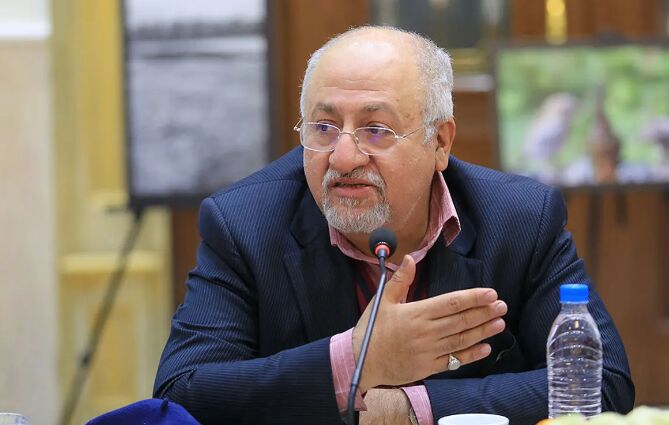


Mohammad Javad Haqshanas wrote: The people of Iran, who have endured heavy human and economic damage, have the right to experience security in peace, livelihood, hope and normal life. Defensive capability is essential, but it is not a substitute for an end-of-war strategy.
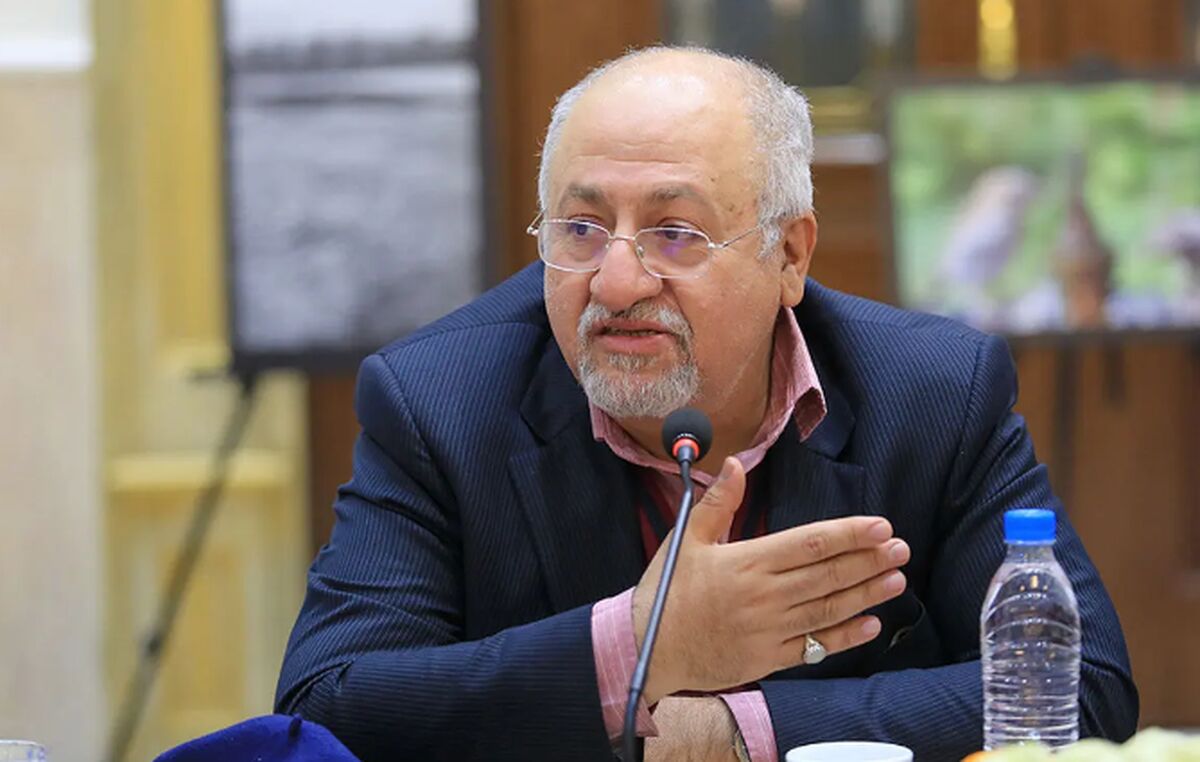
In a note entitled “Washington’s six options and the mystery of exiting the war” in Etemad newspaper, Mohammad Javad Haqshanas wrote: In the history of wars, there is a fundamental difference between three capabilities: starting a war, continuing it, and ending it successfully. Great powers usually have many tools for the first two abilities; But military superiority does not necessarily mean achieving political results. The Iran-US war is also facing the same puzzle; A mystery that is not limited to Trump and Washington and includes Tehran, Tel Aviv, neighbors and even nations far from the battlefield. The November 3 mid-term elections in the United States have increased political pressure on Trump. Dissatisfaction with the cost of living and the consequences of war highlights the need to find a way out; However, changing the political balance alone will not extinguish the fire of war. The main question is whether increasing military pressure will pave the way for an agreement or complicate the crisis?
Washington’s six options: Benjamin Jensen, a researcher at the US Center for Strategic and International Studies (CSIS), has analyzed six possible options for Washington. These are the suggested choices of an analyst, not the plans approved by the US government. Their importance is more than in operational details, in revealing the gap between the ability to strike and the ability to end the war. The first option is coercive diplomacy: a combination of military threats, economic pressure and negotiations to change Tehran’s calculations. This path is less expensive than the direct expansion of war; But if it is not accompanied by mutual concessions and valid guarantees, it may exacerbate mistrust. Negotiation is fruitful when the parties have a vision of security and common interests.
The second option is limited attacks on Iran’s military targets. The goal will be to reduce defensive or offensive capabilities and increase pressure on decision makers. The problem is that limited attack does not guarantee limited response. The cycle of action and reaction can extend the scope of war beyond initial calculations. The third option is targeted attacks on nuclear facilities. Destruction of equipment may disrupt part of the technical capacity, but it does not destroy nuclear knowledge. It may even increase the motivation to reconstruct and reinforce strict security views; Therefore, without political agreement, the long-term outcome of such an action is uncertain. The fourth option is the operation of special forces to obtain enriched nuclear materials; An operation with great complexity, the risk of casualties and the possibility of Iran’s massive response. Even a possible success will not resolve the fundamental dispute over the future of the nuclear program and security guarantees. The fifth option is naval operations to ensure the passage of ships through the Strait of Hormuz. Such an action can lead to new conflicts, increase the cost of insurance and transportation, and pressure on the energy market. The sustainable security of this waterway, in addition to the defense capability, requires the agreement and cooperation of the coastal countries. The sixth option is massive attacks against Iran’s governance structure; The riskiest option. The experience of Iraq, Afghanistan and Libya shows that the destruction of government structures does not necessarily lead to a stable order. The instability of Iran, with its geographical location and regional ties, will have consequences beyond the borders of the country.
Common Conundrum, Different Responsibilities: These six options are not of equal severity and cost, but none of them guarantee a successful end to the war. For the US, the continuation of the conflict means an increase in financial and military costs, intensification of internal disputes and a reduction in focus on other priorities. An operational success is not a political victory if it does not lead to a viable agreement. For Iran, the issue is not only the ability to respond and impose costs on the attacker. The fundamental question is how to transform deterrence into prevention of recurrence of attacks, sustainable security, reduction of economic pressure and possibility of reconstruction. The people of Iran, who have endured heavy human and economic damage, have the right to experience security in peace, livelihood, hope and normal life. Defensive capability is essential, but it is not a substitute for an end-of-war strategy. Israel cannot base its long-term security solely on the continuation of attacks and military superiority. The governments and Arab nations of the Persian Gulf, Iraq and other neighbors also suffer from the disruption of trade, infrastructure damage and the spread of insecurity. The security of Iran and its neighbors cannot be separated from each other. Of course, the shared necessity of ending the war does not mean the same responsibility of the parties in its initiation and expansion.
peace; A demand beyond the governments: today, the end of the war is not the only topic of conversation between the governments. American voters, a part of Israeli society, European protesters and the people of the region, each from a different perspective, are facing the costs of continuing the war. Of course, not all protests or election results can be attributed solely to the war; Livelihood pressures and internal issues also contribute to them. In his recent statements, German Chancellor Friedrich Mertes has spoken of imposing more than 100 billion euros of additional energy costs on European consumers and companies; A figure that should be considered his declared estimate, not the total damage of the war. In response to the livelihood protests, French President Emmanuel Macron has emphasized attention to social demands and warned about the economic consequences of the crisis in the region. These two positions show that the cost of war has been transferred to communities outside the battlefield. On the eve of winter, the concern about the security of energy supply becomes stronger. From European households to Asian industries, consumers may end up paying for decisions they had no part in making. A war can be started by a few states, but its consequences reach many nations. Therefore, the end of the war has become a humanitarian, economic and international necessity.
From the power of destruction to the capacity for peace: increasing global demand for peace does not automatically create agreement. Ceasefires can stop attacks, but a lasting end to war requires addressing insecurity, mutual commitments, and enforcement guarantees. In the meantime, Tehran should not just wait for Washington’s decision. Iran’s diplomatic initiative, along with maintaining its independence and deterrence and using the capacity of its strategic partners, neighbors and mediators, can show the way to the end of the war. The decisive question is no longer which side has more power to continue the war; The question is, how can power be used to end the war? If Washington’s six options are not the only solution, what should be the characteristics of a formula that links the interests and concerns of Iran, the United States, and the relevant actors into a workable agreement? The answer to this question is the subject of tomorrow’s note; A note on the transition from the puzzle of getting out of war to a practical formula for achieving peace.