



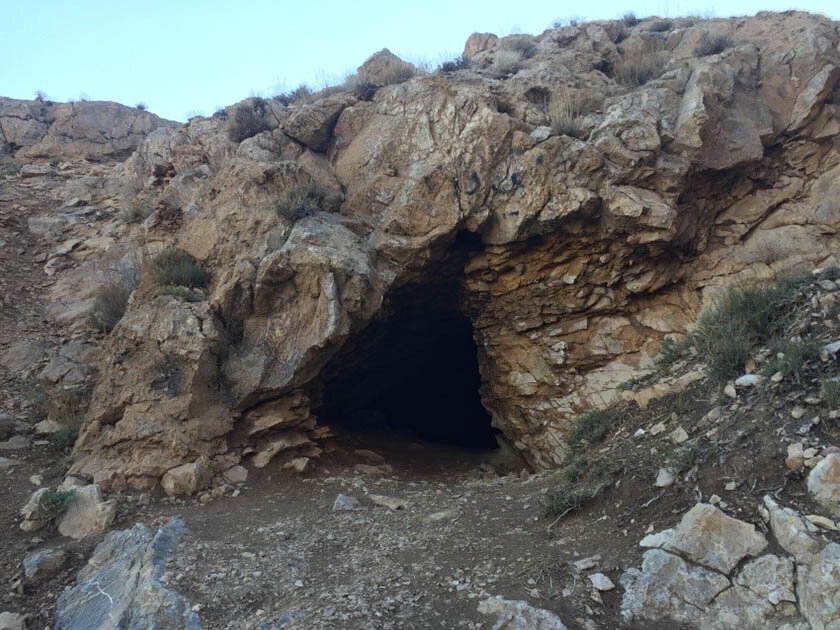


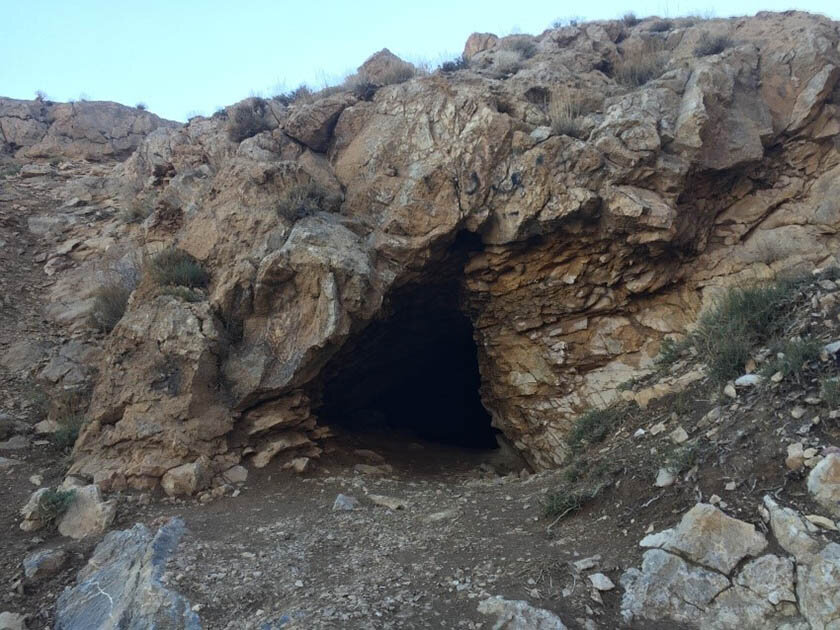
According to online information, Shirband cave is located 12 kilometers northeast of Damghan city and in the protected area of Talo and Shirband. The main path inside this cave is about 800 meters long, while the width of its entrance is only one meter. The main corridor of the cave extends for about 350 meters in the north direction, but there are many branches in the form of small closed or open gorges around the main corridor. A complex network of natural corridors and narrow and sometimes winding corridors can be seen in this cave. There are also deep wells that require special technical equipment to navigate.
The inner parts of the cave are wider and divided into several branches, and in some of these parts, the height to the ceiling is about 30 to 40 meters.
Large parts of the caves that have a high height and ceiling are called halls, and Shirband cave has several halls.
The waterfall hall has large chandeliers and giant stalagmites and walls covered with calcite crystals. Natural ponds full of clear water can also be seen in it.
The crystal hall is one of the most beautiful parts of this cave, which has walls covered with shining crystals.
In Shirband Cave, there are Qandeel and beautiful limestone columns in different colors and sizes, some of which reach 9 to 40 meters. Some of the stalactites and stalagmites are connected together and have formed magnificent columns, which got the name Shirband because of the resemblance of these limestone decorations to guardian lions.
In the walls of the cave, due to the precipitation of calcium carbonate dissolved in water, very white and beautiful shapes such as the plastering of palaces and houses in the form of cauliflower and the collection of needle-shaped crystals have created interesting and beautiful landscapes.
This cave, located in a limestone plateau, was formed during the Jurassic period through the erosion and dissolution of limestone and is considered a part of the Eastern Alborz sedimentation basin.
The air inside the cave is cool, humid and very still, and the amount of oxygen decreases in the lower parts of the cave. For this reason, the oxygen inside the cave should be taken into account when visiting, and if you have breathing or heart problems, do not go too deep.
This cave has narrow corridors, some of which require climbing. …
The mouth of the cave is located in the ridge of a rocky mountain, which is 50 meters above the river bed. About 15 km from the access road to the cave is dirt and stony.
Shirband cave was identified for the first time in the 1340s and is currently in the list of Iran’s national natural monuments.




