





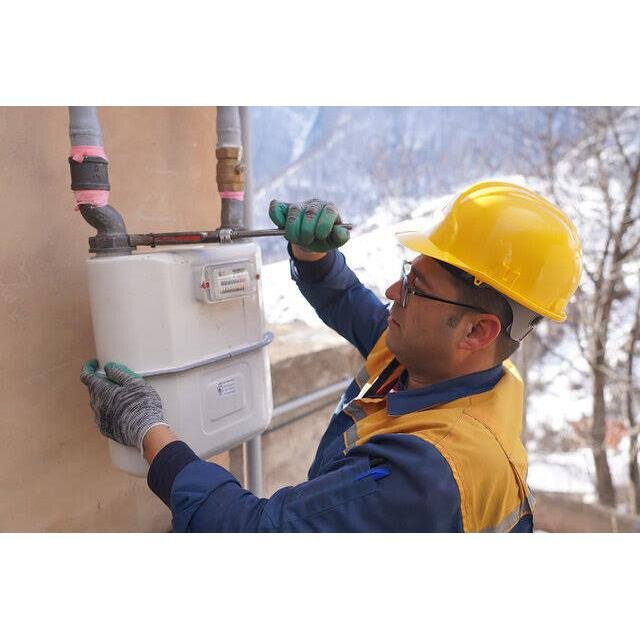
According to Khabar Online, as the cold season approaches and the demand for gas increases, concerns about the sustainable supply of this energy in the upcoming winter have increased; Especially, despite the return of a part of the capacity of the damaged facilities to the circuit, still a part of the supply capacity has not been restored and it is predicted that 11 provinces of the country will face gas restrictions; A situation that once again calls attention to the necessity of consumption management.
ISNA wrote in a news: With the cold days of the year approaching and the increase in gas consumption in the domestic, commercial and sub-industry sectors, concerns about the sustainable supply of this energy in the coming winter have increased; Especially since part of the capacity of the country’s gas facilities is still not back in operation and it is expected that about 11 provinces will face gas restrictions. In such a situation, identification of high-consumption subscribers, modification of the consumption pattern, and examination of high consumption control solutions are on the agenda.
With the decrease in air temperature, the demand for natural gas increases, especially in the domestic sector, so that on the days of peak consumption, for every one degree decrease in air temperature, about 25 million cubic meters of gas, equivalent to the production capacity of one phase of South Pars, are added to the country’s daily consumption. This increase in demand occurs in a situation where the country’s gas supply is still facing restrictions due to the mismatch between production and consumption.
In this context, the damage to a part of the country’s gas infrastructure in the late winter of last year affected the gas supply capacity. According to the officials, about 230 million cubic meters of the capacity related to this facility was affected, of which about 100 million cubic meters have returned to the circuit. In this way, about 130 million cubic meters of this capacity have not been restored yet, and this issue, along with the past imbalance, poses a challenge to the conditions of gas supply in the cold season.
Estimates show that about 11 provinces of the country will face gas tension in the coming winter, among which three northern provinces, including Mazandaran, North Khorasan and Golestan, are more sensitive due to the geographical location of the gas supply network and gas supply restrictions.
On the other hand, the trend of gas consumption can also increase with the arrival of precipitation systems and decrease in temperature. In the last five days, gas consumption in the domestic, commercial and industrial sectors has increased by 70 million cubic meters, equivalent to 30%. According to meteorological forecasts about proper rainfall in the western and northwestern regions of the country, it is expected that the decrease in air temperature will lead to an increase in the use of heating devices and, as a result, the growth of gas consumption.
Focus on high-spending subscribers to manage demand
In such a situation, consumption management becomes more important along with efforts to increase gas supply capacity. One of the axes of this policy is the reform of the high-consumption subscriber tariff, an issue that was revised in 1404 after 14 years.
Saeed Tawakli, the CEO of National Gas Company, has recently said in a video interview, referring to the reform of gas tariffs for high-consumption customers: About 2% of the country’s customers are in the high-consumption group, and they account for about 6% of the country’s gas consumption. The tariff of this group has been modified based on the relevant resolutions and with the aim of increasing the sensitivity to the amount of consumption.
Referring to the effects of implementing this policy, he added: Last year, after the implementation of the tariff reform, gas consumption in the domestic sector decreased by 5.8%, a significant figure that shows that economic policies, along with the cultivation of culture and the modification of consumer behavior, can have an effect on consumption management.
The CEO of Iran National Gas Company also emphasized the necessity of reviewing additional tools to control very high consumptions and said: Iran National Gas Company is the enforcer of the notified laws and regulations, and decisions about further reforms in the field of tariffs and other deterrent tools need to be reviewed and decided by the competent authorities.
In this regard, Mohammad Reza Aref, the first vice president, also emphasized the necessity of energy consumption management and said: we are bound to revise the price for high consumers, and if the amount of consumption is not taken into account, we will be forced to cut off their gas.
These statements are made while the demand for gas increases in the cold days of the year and the restrictions in the supply sector, managing high consumption can be one of the axes of reducing the pressure on the gas supply network.
In addition to identifying high-consumption subscribers, modifying the behavior of household consumers can also contribute to reducing gas demand. According to the presented statistics, about 70-80% of gas consumption in the domestic sector is dedicated to heating, so optimizing heating systems and preventing heat loss are among the effective solutions to reduce energy consumption.
Using sealant for windows and doors, installing double-glazed windows, using thick curtains, setting the temperature of the package in the range of 55-60 degrees Celsius, and properly setting the heater flame are among the measures that can help reduce gas consumption; Therefore, providing information about the methods of reducing consumption and encouraging subscribers to comply with the consumption pattern, along with tariff and regulatory policies, can help manage demand in the cold days of the year.
217