



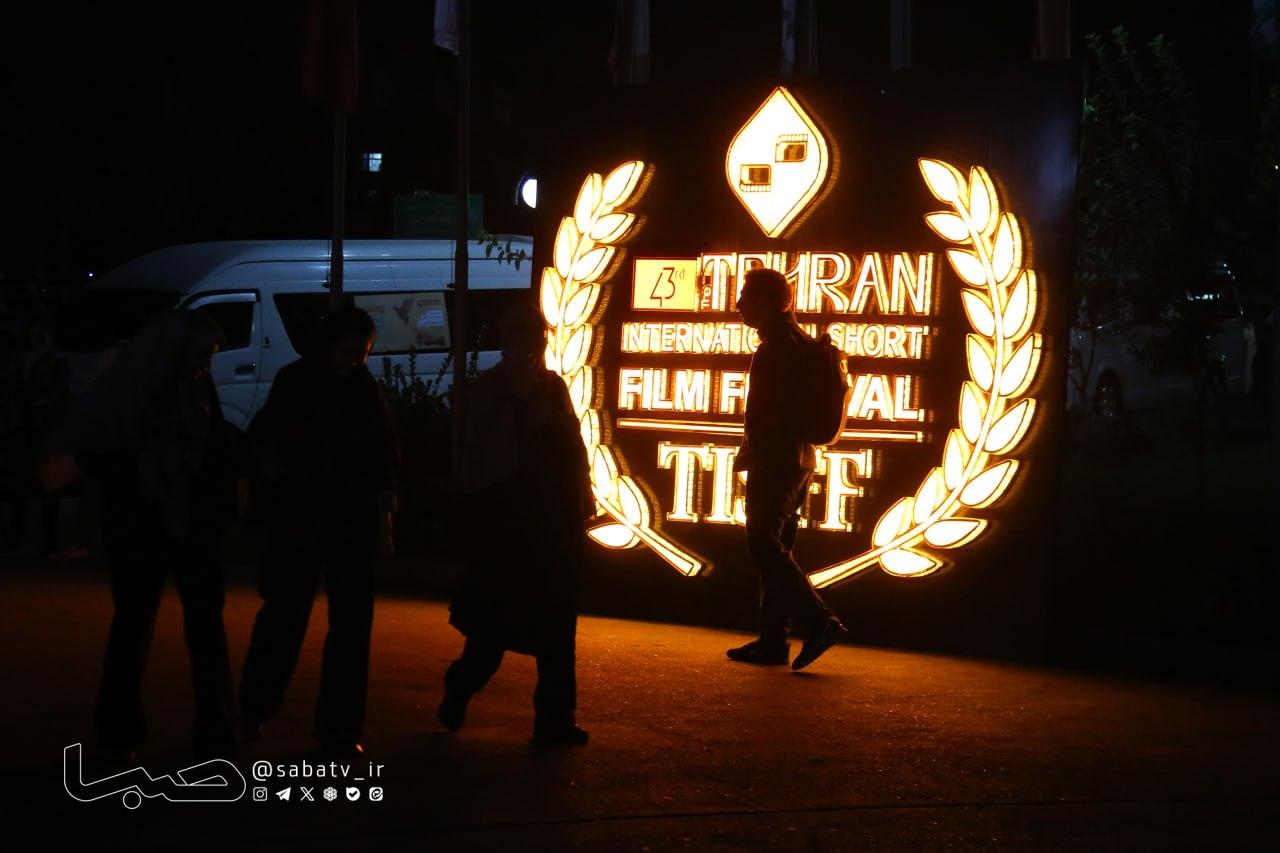


The 43rd Tehran International Short Film Festival has ended, but the narratives that went on the screen in one week are still in the minds of the audience. Narratives of war and loss, poverty and migration, religion and popular beliefs, identity and loneliness that show how short cinema can approach different layers of social life.
Guest note / Saba, But media activist Mansourian wrote about his presence and experience in the 43rd Tehran International Short Film Festival: About a week has passed since the end of the 43rd Tehran International Short Film Festival, but the discussion about it and the works that were shown in this event continues. Perhaps one of the reasons for this continuity is the unique scope of this festival; An event that, due to the support of the Iranian Youth Cinema Association, the geographical scope of the filmmakers’ activity, as well as its international status and its connection with the Oscars, does not belong to a limited stream of cinema. Filmmakers from different parts of the country are present in it, and on the other hand, almost any topic, concern and genre can find a way to its screens. In fact, the short film is one of the few fields where ideas get a chance to fly and come from every corner. This feature cannot be easily compared with many other film festivals. Tehran Short Film Festival hosts more than 200 films in different sections and genres during one period. Works that each look at the world around them from a different angle. This diversity makes the festival a place to encounter narratives that are rarely seen in mainstream cinema. From social and cultural issues to war, immigration, poverty, human relations, religious beliefs and even issues that are still silent or considered in the society, all of them can be present in this event.
A movie that does not distance itself from society
One of the remarkable features of Tehran Short Film Festival is the connection of its works with people’s daily life. Many of the films in the festival have come out of concerns that the audience has experienced in their personal life or social environment. For this reason, facing these works is not just watching a cinematic narrative; Sometimes the audience is faced with a part of their life, with a collective memory or with a problem that has been present in a corner of the society’s mind for a long time. Cinema, in one of its most important functions, is the visual memory of a historical period. What appears on the screen today can become a document years later to understand the social, cultural and even emotional conditions of a society. A review of enduring works such as Ebrahim Hatamikia’s “The Low Height”, “Moman’s Guest” and “Century” by Dariush Mehrjooi, “Children of the Sky” by Majid Majidi and “The Lizard” by Kamal Tabrizi shows that Iranian cinema has repeatedly approached issues that were part of the social reality of the society in their time. From poverty and class divisions to family crises, social relations and people’s confrontation with public institutions and beliefs. Even the fate of films such as Hatamikia’s “The Color Purple” and Dawood Mirbagheri’s “Snowman” which were restricted and banned and were shown years later, reflects a part of this complex relationship between cinema and its time. The reality is that ideas and social concerns cannot be He left the field of narration forever. Cinema can become the memory of a society when it is able to reflect the conditions in which people live. Due to the diversity of its works, Tehran Short Film Festival is one of the most important occasions to observe such a reflection.
From war to Minab; When cinema records the memory of a disaster
Among the various topics of the 43rd Tehran Short Film Festival, dealing with the war, the American and Israeli military invasion of Iran and its human consequences had a prominent place. Some of the films went to the war, martyrdom, loss and injuries that people faced during these events; Issues that are not just a passing news or event, but have become a part of society’s collective memory.
In the meantime, the crime of Minab School and the martyrdom of innocent students was one of the most bitter and lasting subjects that was reflected in the works of the festival. Minab is no longer just the name of a city or the place of an incident; It is a picture of children who were deprived of their chance to live and families who faced an irreparable loss. Recording this event in the cinema is an attempt to prevent its human dimensions from being forgotten. The movie “Minab Manif Bisit” was one of the works that left a deep emotional impact on the audience by dealing with this tragedy. The narrative of this film about the large number of innocent children who were victims and the bodies that even in the morgues of other cities were facing limited space to keep them, presented a bitter picture of the dimensions of this incident. The reaction of the audience after watching the movie and their crying leaving the hall showed how much this narrative was able to communicate with the emotions of the audience. “Minab negative twenty” finally received the golden leaf for the best film from the national point of view. Besides that, the documentary “Twenty-five-year wait” dealt with the same tragedy from another angle and succeeded in receiving the diploma of honor for the best documentary. This work tells the story of parents whose 10-year-old son’s grave is right in front of their house. The same house that was located in front of a park that was once a place for their children to play and have fun. The distance from the house to the grave, in this narrative, becomes a painful image of the distance between normal life and loss that no family should experience. These two films were only examples of the works that dealt with the Minab incident and the consequences of the war. Along with them, films such as “Papabandari” by addressing the grandfather of one of Minab’s martyred children and “Shakarchi” by focusing on the story of the downed drone, brought to the screen another part of the narratives related to the war, and of course, the large number of works with these topics does not allow to address all the works. In general, the war and its human consequences were among the topics that were present in the various works of the festival; From the direct narration of the invasion and martyrdom to addressing the bereaved families and people whose lives have been changed by these events. These works showed that cinema can help preserve its human details beyond recording an event; Details that may be removed from the memory of news over time, but remain in the memory of cinema.
From poverty and immigration to hidden social crises
Of course, the social image of the 42nd festival was not limited to war. A significant part of the works dealt with issues that may appear to be far from great and historical events, but have a permanent presence in people’s daily lives; Poverty, immigration, loneliness, family crises, discrimination and cultural issues. Some films told about the sadness and difficulties of immigration; From people who have to leave their home and familiar environment to build a different future and in this way they face loneliness, longing and crisis of belonging. Others addressed poverty and deprivation; Issues that have been talked about many times, are still among the most important social realities and need to be read and paid attention to. Among the works of the festival, there were also films with humanitarian and anti-discrimination themes that emphasized the necessity of accepting differences and avoiding racism. Also, some works went to less-seen issues such as the lived experience of trans people and tried to narrate this issue not through the lens of judgment and labeling, but from the perspective of personal, psychological and social crises and the difficulties these people experience in life. The importance of addressing such issues is that silence and ignoring social issues does not necessarily mean solving them. Sometimes what is less talked about in the public space turns into a more serious crisis in the hidden layers of society. By creating the possibility of dialogue and showing human experiences, cinema can provide a basis for a more accurate understanding of these issues; A path that emphasizes recognition, confrontation and responsible treatment instead of judgment.
From religion and miracles to superstition and terror; Variety of genres in short narratives
Another aspect of the diversity of the festival should be found in the works related to religion, religion, general beliefs and Iranian culture. Among the films and documentaries present, there were works that dealt with the history of religiosity in Iranian society, religious rituals and rituals, and the role of religious beliefs in people’s lives. The movie “Monastery” was one of the works that went to the vows and stories of miracles and honors attributed to imams and reflected part of the religious beliefs and experiences of the people. This group of works shows that short cinema can also pay attention to the historical and cultural layers of the society in addition to the social issues of the day. On the other hand, movies like “Horse Tail” and “Shab Hole” dealt with the topic of superstition and folk beliefs using the capacity of the horror genre. The presence of such works is significant because it shows that the short film is not limited to realistic or social narratives and has provided the possibility of experiencing different types of cinema. In fact, it is this coexistence of different genres and topics that gives the festival a multi-layered identity; Where one film can confront the audience with the bitter reality of war and another film, through horror and suspense, goes to the roots of superstition in society.
A festival whose narratives continue after the end of the curtains
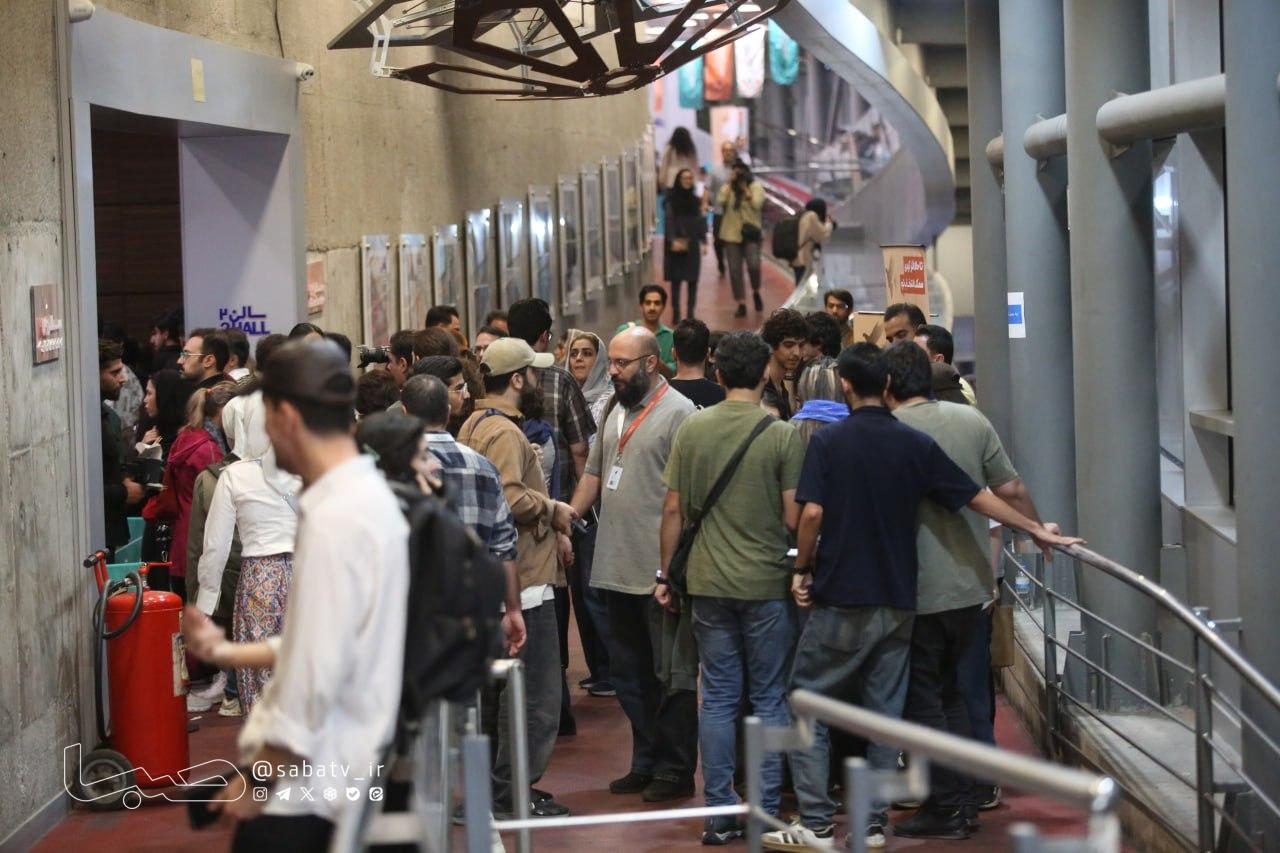
What was screened at the 43rd Tehran International Short Film Festival was not just a collection of short films with scattered topics; Rather, the juxtaposition of these works formed a multifaceted image of a society that is struggling with various issues and crises at the same time. A society where war and loss are placed next to poverty and migration, religious beliefs are seen next to cultural questions, and narratives related to loneliness and identity are placed next to stories of hope, humanity and social relationships. Perhaps the most important feature of this festival is the possibility of different narratives coexisting; That a filmmaker from a small town can raise his concerns alongside another filmmaker’s work on a national and international scale, and that a topic that may not be seen in the public media is discussed on the cinema screen. On the other hand, the large presence of audience in the Mellat campus during the days of the festival was a sign of the communication capacity of this event. A festival that, despite the fringes and criticisms surrounding it, was able to attract a significant crowd of cinema enthusiasts to the theaters during one week and provide the opportunity for the audience to encounter a wide range of works. The 43rd Tehran Short Film Festival has ended, but the main issue may be that its narratives should not end when the lights go out. The films that told about poor children, grieving families, immigrants, lonely people, poverty, discrimination, religious beliefs and social crises, each one is a part of the image that society leaves behind today. Cinema is not supposed to decide for society or have ready answers for all its issues; But it can record what is there, display it and make it possible to see and hear it. From this point of view, Tehran Short Film Festival is not only a place to show more than 200 films, but also an opportunity to hear more than 200 narratives about people, society and the times in which we live.




