



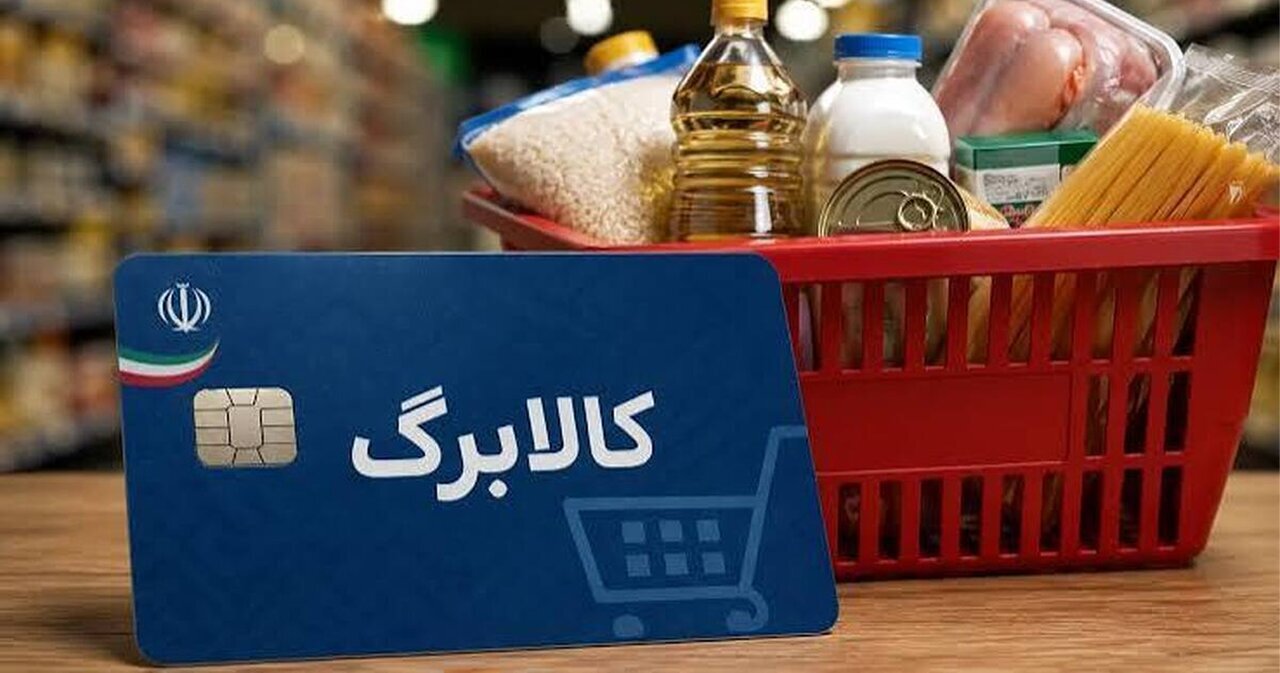


According to Khabar Online, the newspaper Datah wrote: After repeated warnings about the consequences of these inflationary reforms, the country’s expert body agreed to a 120% increase in the exchange rate on the condition that the government reduces the pressure on people’s livelihoods by granting a monthly quota for the commodity list of basic items. But now that the continuous growth of the inflation rate has destroyed the purchasing power of the one million toman subsidy of the household, the government has withdrawn from its national promise and, under the pretext of lack of budget resources, has decided to exclude households with an income of more than 27 million tomans per month (along with other income criteria) from receiving the current one million toman e-bill, as well as an increase of 500,000 tomans.
Providing people’s livelihood is the most important economic and social task of every government, which is specially emphasized in the doctrine of the holy system of the Islamic Republic of Iran in the form of social justice and protection of the deprived. Therefore, under no circumstances can this inherent duty of the government be ignored, or to achieve other political, economic and social goals, the issue of fighting poverty cannot be neglected.
It is true that our country is in a state of war and international sanctions are intensifying, and it has lost many of its income sources, but the government’s other sources of income are sufficient to fulfill its most important task properly.
The slogan of targeting subsidies and helping the efficiency of the government’s budget should not be limited to the easiest path, which is to remove various income tithes from receiving goods. Because such a misinterpretation of the purposefulness of subsidies will definitely increase the government’s expenses from other paths in the security field. People should be sure that even in the most difficult war conditions, the government has not neglected to preserve their livelihoods, just as during the 8-year period of holy defense, all basic needs were distributed among the people with a commodity quota, and there was no concern for providing basic goods.
When, based on official reports, the minimum cost of the household basket for a family of 3 working people has reached 95 million per month and 70% of the working community lives below the poverty line despite being employed, which measuring stick has determined the monthly income criterion of 27 million tomans to exclude households from receiving subsidies for commodity items? What is the goal of the government consultants in providing such a wrong measure to measure the size of the household?
Considering the widespread consequences of removing the preferred currency for all social classes, wasn’t the commodity subsidy supposed to be allocated to all people? What happened that less than a year after the implementation of this plan, the government thought of a new division of income deciles, and why did we divide the income deciles into two groups above 27 million tomans and below this ceiling? What is the transparent income and scientific pattern of this method of economic demarcation in Iran and have its social, political and security consequences been thought about? It seems that the Parliament, the Court of Accounts and other institutions overseeing the government’s budgetary performance should seriously examine the goals and consequences of excluding households from receiving the goods list.
17302




