



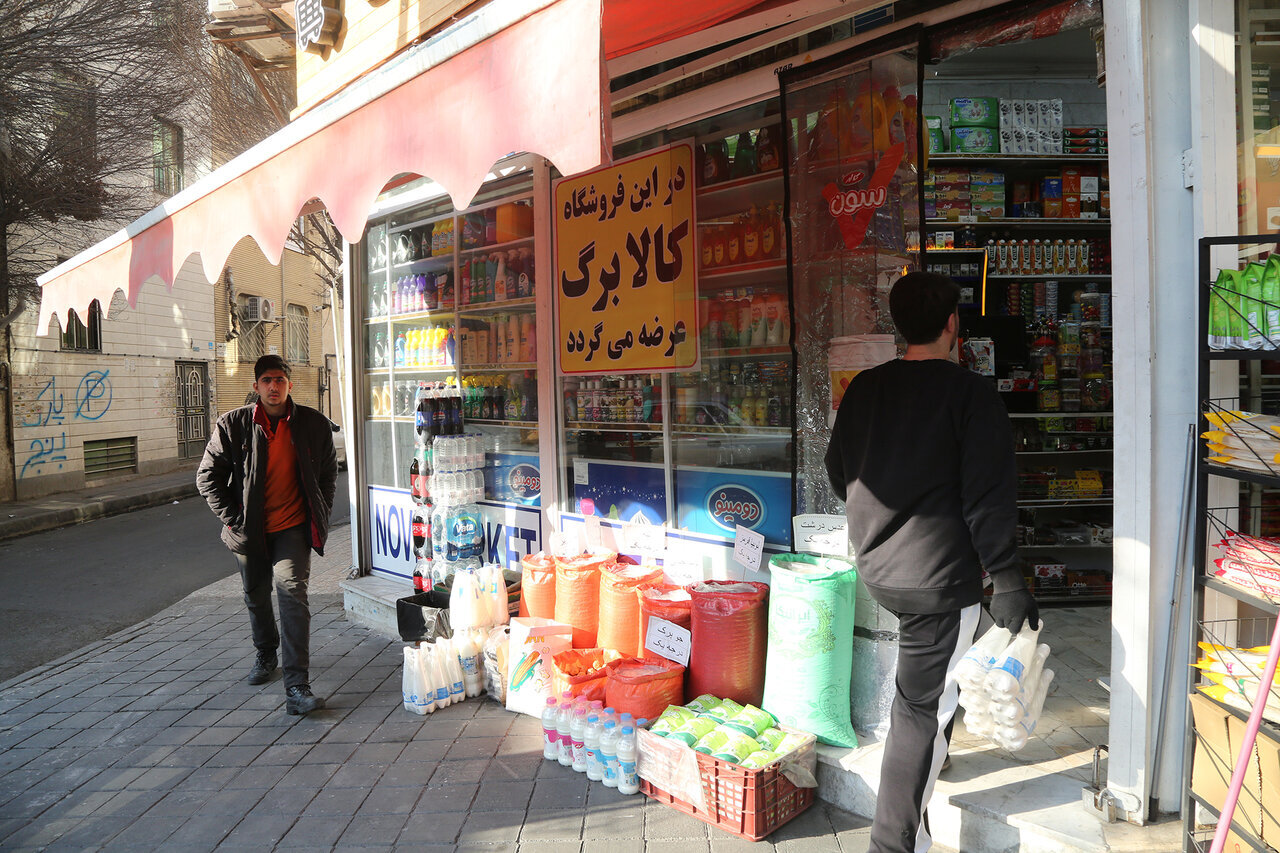


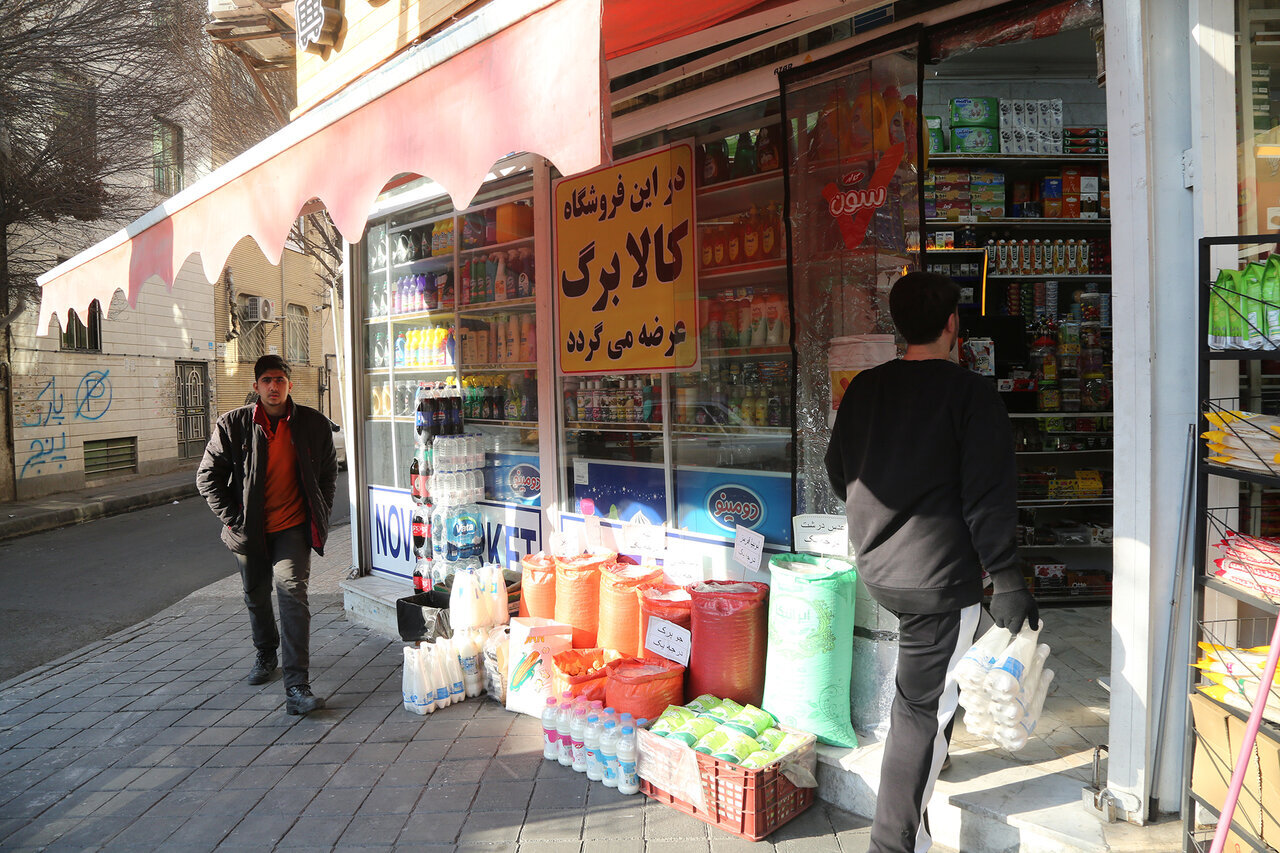
According to Khabar Online, the purchasing power of households has come under the pressure of the increase in the cost of basic goods in recent months, and this issue has increased concerns about meeting the basic needs of the people.
In a news article, Ekhtaz Online wrote: In the meantime, the support policies of the government have also faced criticism, and now the issue of revising one of the most important livelihood support tools has become a new debate among economic activists.
People’s credit protection is not compatible with the increase in costs
Ishaq Bandani, head of the Agricultural Commission of the Iranian Chamber of Commerce, believes that the current amount of Kalaberg is not proportional to the changes in the exchange rate and the cost of providing basic goods, and the government should take measures to restore it.
In an interview with Tasnim, he explained that at the beginning of the year, when the dollar exchange rate was around 112 thousand tomans, a credit of one million tomans was considered for household goods; But now, according to him, the dollar rate on the portal has reached about 195 thousand tomans, while the amount of support credit remains unchanged.
According to the figures announced by Bandani, the dollar rate he mentioned has increased by 74% during this period. This discrepancy raises an important question about the proportionality of subsistence support with the actual cost of food provision.
The head of the Agriculture Commission of the Chamber of Iran emphasizes that the issue of increasing the credit of Kalaberg should not be taken into consideration when the people’s dissatisfaction has reached public protests or a widespread plan in the media. According to him, the government should examine this issue at decision-making levels before intensifying livelihood pressures.
Warning about reducing meat and protein consumption
One of the concerns raised in these statements is the effect of the decrease in purchasing power on the quality of household nutrition. Bandani warned that reducing the consumption of protein and essential foods can become a social issue and a threat to people’s health in the long run.
When the cost of providing food increases, low-income households are usually more limited in their choice of consumer items. In such circumstances, merely increasing the nominal support credit is not enough and it should be checked to what extent this credit can cover the real needs of the household’s food basket.
According to Bandani, the credit of Kalaberg should be restored according to the increase in the cost of basic goods and the changes caused by the liberalization of subsidies.
Criticism of tithing and how to allocate support
In another part of his statement, Bandani also criticized the current method of dividing households by ten and believes that this method does not have the necessary accuracy and efficiency to identify needy households.
From his point of view, support resources should be allocated in such a way that the effect can be seen directly on the table of the people; Therefore, the revision of the method of identifying beneficiaries and the method of distribution of support resources should be taken into consideration along with the increase of credit.
Kalaberg to buy food or pay other expenses?
Another issue raised by the head of the Iranian Chamber of Agriculture Commission is the possibility of using credit support for expenses outside of the food sector.
He believes that the resources allocated for the purpose of supporting people’s nutrition and health should reach the food supply of households. For this reason, he considers the possibility of using this credit to pay expenses such as mobile phone bills as a sign of the need to review the support policy.
217