



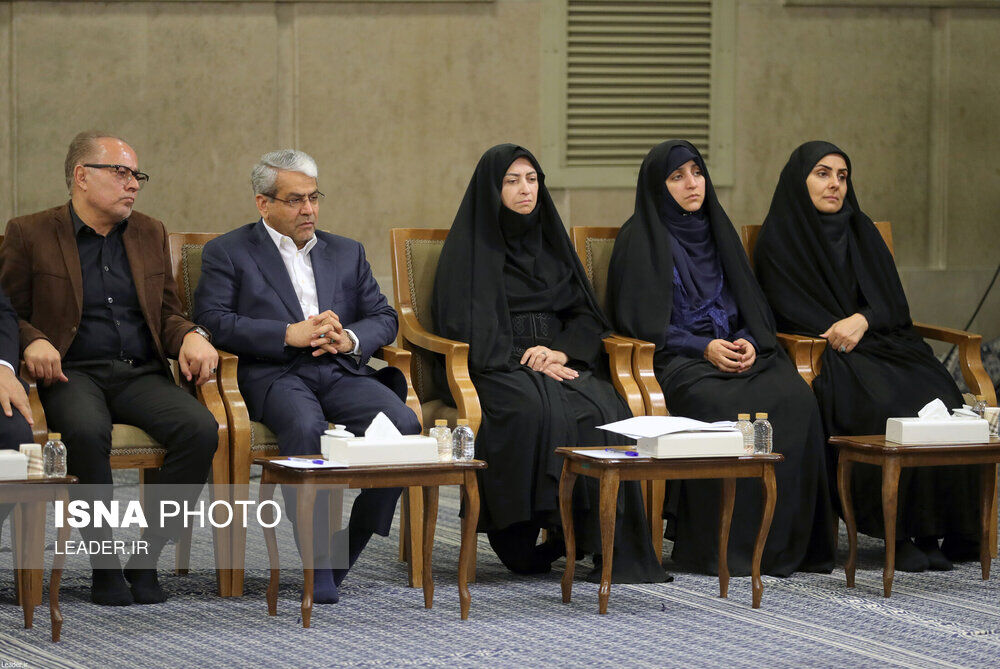


Increasing the presence of women in management requires the modification of existing procedures and structures. Transparency in the process of appointments, developing clear criteria for selecting managers, dealing with structural discrimination, supporting the professional advancement of women and providing the possibility of their presence at high decision-making levels are among the measures that can transfer this demand from the level of rhetoric to the field of action.
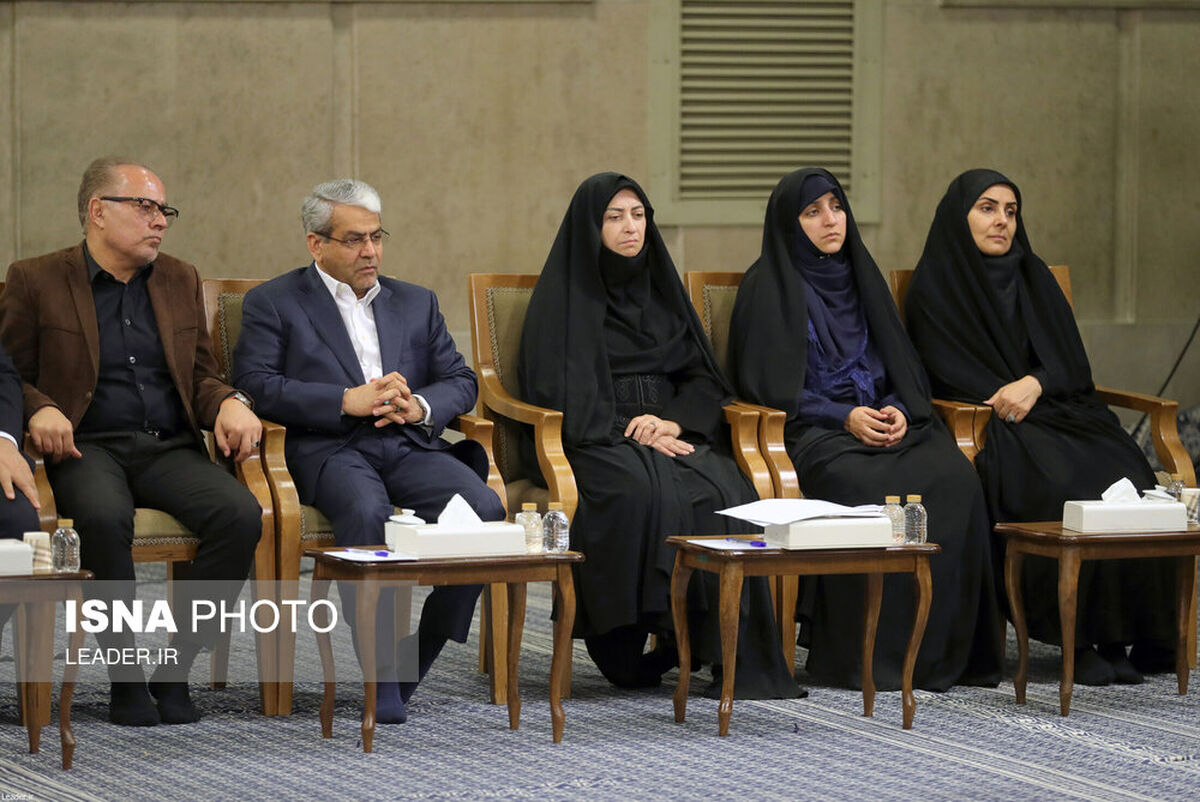
Maryam Anjam Rooz wrote in a note titled “Women; From the demand for presence to the right to make decisions” in Etemad newspaper, he wrote: One of the important questions about the future of Iranian society is the relationship between the real position of women in the social arena and their contribution to the decision-making structures. In the past decades, Iranian women have traveled a significant path in achieving education, social presence, economic independence, and civic participation, and today they are considered to be the main players in the evolution of society in many fields. However, there is still a serious gap between their capacities and capabilities and the opportunities provided to them to participate in management and decision-making. This distance should not be considered only a problem related to women; The issue is directly related to social justice, the use of the country’s human capital and the quality of governance. The issue of women today is no longer just the demand to be in public arenas; It is about the right to effective participation in decision-making and playing a role in determining the fate of the society. The presence of women in management responsibilities becomes meaningful when it is accompanied by authority, independence and the possibility of real influence. In a management structure, several women may achieve responsibilities, but if they do not have the possibility to influence policies and macro-directions, we cannot talk about real participation. What is important is not only the number of women in managerial positions, but also the extent of their authority and influence. One of the common mistakes in facing the demand of women’s management is to consider it as a privilege from the power structure.
It is as if the appointment of a woman to managerial responsibility is an act of favor or expediency, not to recognize the right of citizenship. The equal participation of women and men in the management of society, before being a political or managerial choice, goes back to the fundamental principles of citizenship rights and social justice. No society can claim justice if half of its population has to cross obstacles that are not related to their ability and competence, but to their gender in order to achieve equal opportunities. Women have the right to participate in the management of society not because they are women, but because they are citizens; As men have this right. This demand does not mean privilege, but a demand to eliminate discrimination and provide equal opportunities.
Increasing the level of awareness, education and demands of women has been one of the most important developments in Iranian society in recent decades. Women who are present today in the university, work environment, cultural field, civil activities and economic fields, want to participate in determining their own destiny and the society in which they live. Women cannot be expected to be responsible in various social fields, but when dividing management opportunities, they face criteria that consider their presence as an exception. A society that has changed needs structures that are compatible with its new realities. Ignoring this fact not only leads to the continuation of inequality, but also deepens the gap between the society and the decision-making system.
In the discussion of women’s management, the question is sometimes raised whether increasing the share of women is not in conflict with the principle of meritocracy? The answer is clear; Meritism means when all citizens have the opportunity to evaluate and compete. If women are deprived of access to managerial opportunities due to gender, we cannot talk about fair competition. Merit can be measured when people have the opportunity to participate in the competition field without structural discrimination. Of course, defending the increase of women’s managerial share does not mean ignoring the criteria of expertise and competence. One of the harms that can be done to the demand for gender justice is the appointment of women solely for the purpose of increasing statistics or presenting a symbolic image of their participation. Such an approach not only does not help to improve the position of women, but may also weaken the public trust in their managerial ability. The presence of women in the management structure should not become a tool for statistics, political display or filling predetermined quotas. Just as depriving competent women of management opportunities due to their gender is an example of discrimination, entrusting sensitive responsibilities to people who lack the necessary expertise, experience and ability, regardless of their gender, is in conflict with the logic of meritocracy and public interest. Capable and expert women suffer more than any other group from show appointments; Because the poor performance of a non-specialist appointment may be mistakenly attributed to the generality of women’s management and be used as a reason to question their competence. No gender can be considered representative of all capacities and abilities of that gender based on the performance of a few individuals.
Therefore, the main demand has two complementary aspects: first, removing obstacles and discriminations that deprive women of the possibility of equal competition, and second, strict adherence to the criteria of expertise, experience, professional health, and managerial ability in the selection and appointment process. Deserving women should not be victims of discriminatory views, and at the same time, in the name of defending women’s rights, meritocracy should not be a victim of statistical and propaganda considerations. The goal is not only to increase the number of women in the list of managers; Rather, it is the placement of capable women in positions appropriate to their knowledge and experience, having sufficient authority and accountability for performance. Justice is achieved when gender is neither an obstacle nor the only reason for choice.
Increasing the presence of women in management requires the modification of existing procedures and structures. Transparency in the process of appointments, developing clear criteria for selecting managers, dealing with structural discrimination, supporting the professional advancement of women and providing the possibility of their presence at high decision-making levels are among the measures that can transfer this demand from the level of rhetoric to the field of action. It should also be accepted that the issue of women cannot be solved simply by appointing a few female managers. Social rights, job security, equal economic opportunities, the possibility of political participation and the enjoyment of civil rights and liberties are interconnected components of a larger demand; Recognizing women as equal citizens. Women cannot be expected to play a role in the country’s development, but their share of power and decision-making remains limited. And finally, the issue of women in Iran today is not the transfer of several managerial responsibilities or the statistical increase of their presence; The issue is to recognize the right of half of the society to participate in the administration of the country and determine its own destiny. We cannot talk about development, but an important part of the human capital of the society is deprived of equal opportunities. Also, in the name of supporting women, the standards of expertise and competence cannot be ignored. Gender justice and meritocracy are not in opposition to each other, but in complementing each other. Iranian women have traveled a difficult path to prove their abilities. Today, what is needed more than anything is to change the view and reform the mechanisms that limit or formalize their presence. Women do not want a privilege beyond their citizenship rights, nor should they agree to be in the managerial showcase. Their demand is to have equal opportunity, responsibility commensurate with competence and real authority to make an impact. A fairer and more developed future will be achieved when women not only have a role in building society, but also in making decisions about it, according to their ability and status.