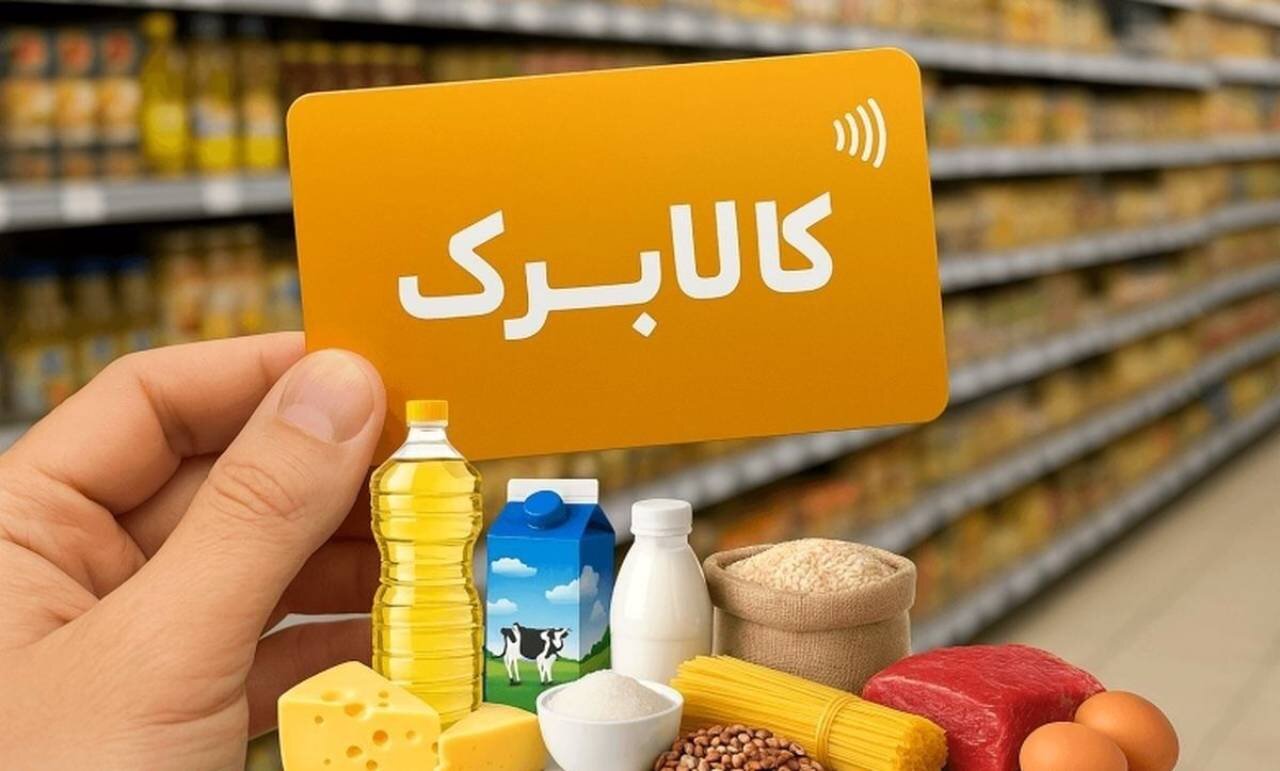
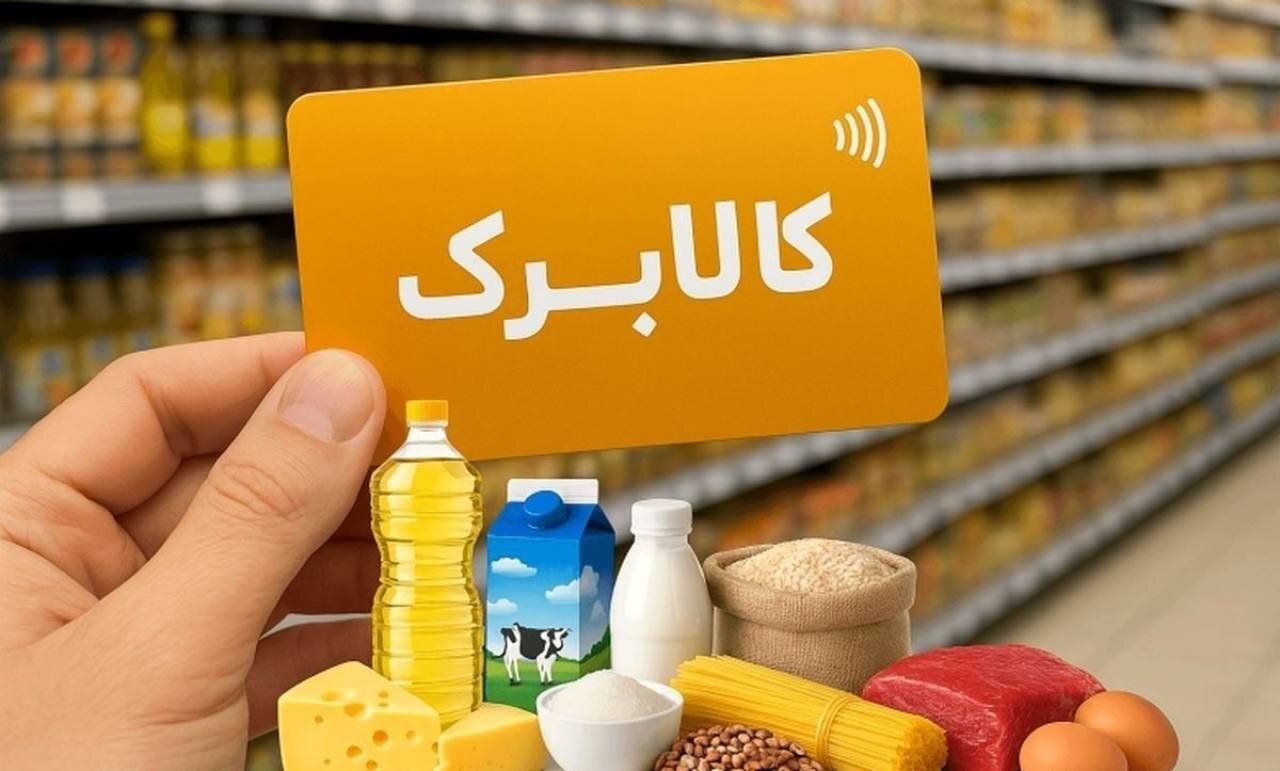
According to Khabar Online, Hamshahri newspaper wrote: The Ministry of Cooperatives, Labor and Social Welfare has confirmed the delay in settling the demands of the stores at different times.
Yaqub Andaish, the deputy welfare and economic affairs of this ministry, had announced that the demands of the stores on the contract side had been settled by October 12 and expressed hope that the payments would continue in the following weeks.
Sajjad Sangsari, advisor to the minister and head of the Inspection Center of the Ministry of Welfare, also said on November 4th that the trade unions’ claims have been paid by Mehr 12th, but the sellers’ reports about the settlement status still need to be checked. These statements show that announcing the settlement of debts at one point in time does not necessarily mean that the liquidity problem of the stores will be solved. With the continued sale of goods, new claims are created and if the necessary resources are not provided in time, the debt cycle is formed again.
The departure of the main actors of Kalaberg
The problem becomes more serious when we know that an important part of merchandise purchases are made in small stores and local supermarkets. According to Mohammad Ali Khorasani, head of the National Union of Chain Stores, about 80% of merchandise purchases are still made from retail stores, and the share of chain stores in this market is about 20%, so limiting the cooperation of small trade units can reduce the scope of people’s access to this support credit, even if the merchandise credit is still available in the household account.
Small stores under cash pressure
The main problem of local stores is that they have to buy the goods in cash from the supplier and sell on credit to the beneficiaries of the Kalabarg scheme.
In such a situation, continuing to cooperate with the plan for a store that has limited working capital means financing the purchase of households from their own pockets. It is normal for some of these units to limit or completely abandon the acceptance of goods in order to avoid disruption in their daily activities.
Debt settlement delay at the expense of the shopkeeper
In the Kalaberg national plan, which is supposed to be removed from the current situation by removing the top 3 deciles, 86 thousand billion Tomans were distributed monthly as Kalaberg credit, and from now on, about 20 more will be added to increase the credit of the low deciles. Assuming an even distribution of purchases throughout the month and calculating 25 days of unsettled sales, the accumulated claims of the stores can reach at least 72 thousand billion Tomans. This figure is a calculated estimate based on the aforementioned assumption, and not the official confirmed statistics of the government’s definitive debt on the day the report was published, but it can easily depict the magnitude of the bump created in the implementation of the Kalaberg plan with the government’s debt to the stores. In the current procedure, the credit of the Kalaberg is practically allocated from the pocket of the shopkeeper and the store, and a few weeks later, the government settles that debt without any fees or fines.
Merchandising experience in different stores
Limiting the network of receivers does not only mean increasing the geographical distance between people and the store; According to the received reports, some sellers also offer their desired items in the process of selling goods; An issue that increases the necessity of monitoring the implementation of the rules and respecting the consumer’s right to choose. On the other hand, there have been reports about restricting the sale of certain items such as meat, chicken and fish. If these items are not available in practice, households may not be able to use it to meet their food needs despite having credit. Thus, the effectiveness of the plan depends not only on the amount of allocated credit, but also on the actual possibility of purchasing the required goods.
17302