



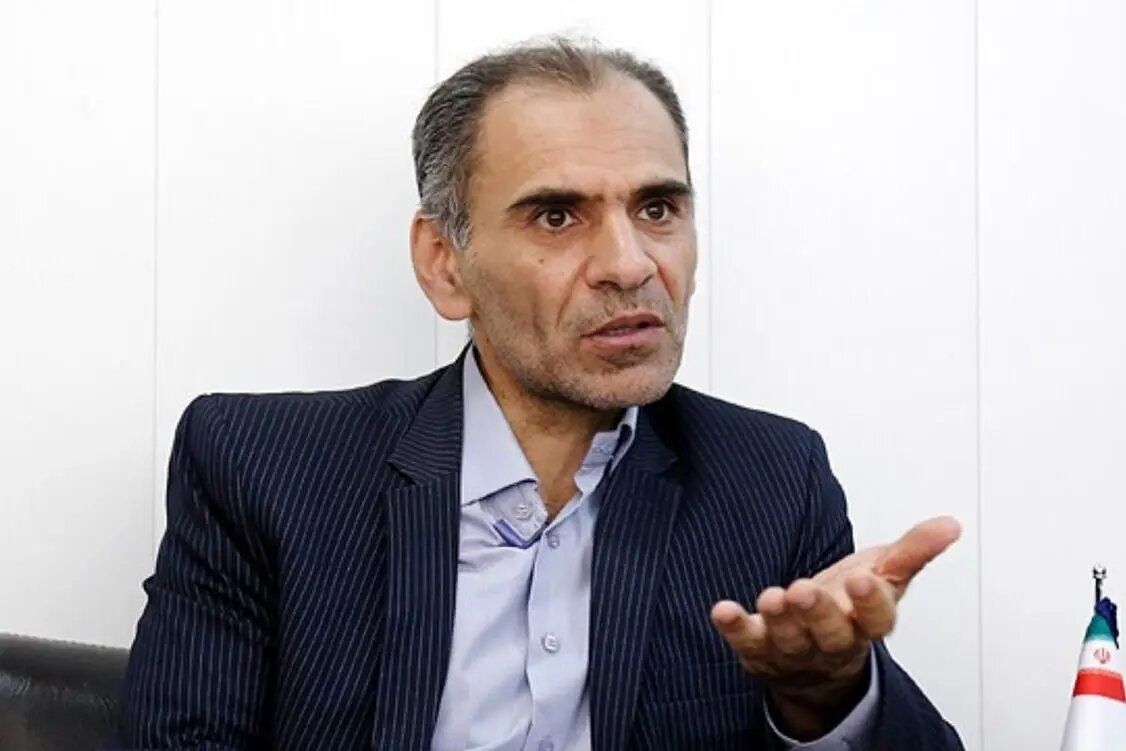


According to Khabar Online, after the dollar price increased by more than 80 thousand tomans between August 19 and October 11, the intervention of the Central Bank through the supply of currency notes stopped the upward trend in prices. The dollar, which was worth about 185 thousand tomans on August 19, reached 267 thousand tomans on October 11; But after that, the exchange rate remained in the range of 260 thousand tomans. Kamran Nedri, an expert in monetary and banking field, in an interview with Khabar Online, believes that the role of the central bank’s intervention in this change of process cannot be ignored; However, the continuation of this policy depends on the available foreign exchange resources and the policy maker’s ability to manage expectations.
After the unprecedented jump in the exchange rate and setting consecutive price records until October 11, the Central Bank took action by offering dollar bills to the applicants. The increasing trend of the dollar price was such that in a short space of time, more than 80 thousand Tomans were added to the price of each dollar. Since the intervention of the central bank, the exchange rate has remained in the range of 260 thousand tomans; A situation that has led to different evaluations about the effectiveness of the government’s foreign exchange policy.
Kamran Nederi believes that the role of the Central Bank’s intervention in stopping the rising prices cannot be ignored. According to him, until October 11, the price of currency was increasing with unprecedented intensity and price records were being broken successively. If this trend continued, the exchange rate would probably be at higher levels now.
This monetary and banking expert in evaluating the actions of the central bank says: “These actions were effective. That is, the evidence we have is nothing but market prices, which shows that Besnet’s goals have not been achieved, and the central bank has not taken any action other than injecting currency into the market.
From Nedri’s point of view, although not all market changes can be attributed solely to the central bank’s policy, the simultaneous currency intervention with the stop of price increases is a sign that cannot be easily ignored. He believes that the Central Bank’s claim about the effectiveness of this policy cannot be completely ignored; Because theoretically, increasing supply in the currency market can lead to price control, and what has happened in recent weeks is consistent with this logic.
Referring to the nature of the demand in the foreign exchange market, Nedri explains that a significant part of the demand is speculative and many people turn to the foreign exchange market to maintain their purchasing power. In such a situation, the demand for banknotes becomes more important and its direct supply can affect the transaction process and prices.
He also emphasizes that the developments of the currency market cannot be analyzed separately from political conditions and external pressures. Despite the statements of the American officials about the intensification of economic pressures against Iran, what has been observed in practice is the stoppage of the increasing trend of the exchange rate after the intervention of the Central Bank.

However, Nedri distinguishes between short-term effectiveness and the possibility of maintaining this situation in the future. According to him, the exchange rate experienced a significant increase in about two months, but in the last three weeks, prices have remained relatively stable. This trend change can be a sign of the effectiveness of the currency injection, but it is not enough to conclude about the stable stabilization of the exchange rate.
uncertainty; An obstacle to the stable stabilization of the exchange rate
Nedri considers uncertainty as one of the most important current problems of Iran’s economy and believes that the outlook for future developments is not clear. In a situation where sanctions, naval blockade and the risk of military conflict continue to cast a shadow on the economic environment, it is not possible to talk about the stable stabilization of the exchange rate with certainty.
According to this expert, the central bank should prioritize the management of psychological expectations and decide on the time and amount of intervention in the market according to the foreign exchange reserves at its disposal. Even if it is not possible to stabilize the exchange rate in the current situation, timely and calculated interventions can reduce the intensity of fluctuations.
Reducing the range of fluctuations has an independent importance from Nedri’s point of view; Because it can prevent additional shocks from entering the economy and prevent the transfer of part of the pressures of the currency market to the general level of prices. Therefore, the goal of the central bank’s intervention should not necessarily be the permanent stabilization of prices; In a situation where political and economic factors continue to affect the market, it is important to prevent sudden jumps.
The continuation of foreign exchange intervention depends on the reserves of the central bank
One of the main questions about the recent policy of the central bank is the possibility of continuing the supply of currency in case of continued pressure. Nederi says that there is no accurate information about the amount of foreign exchange reserves of the Central Bank and therefore it is not possible to determine how long this policy will be able to continue.
He believes that the central bank cannot continue to intervene in the market regardless of the resources at its disposal. The decision to inject foreign currency should be made taking into account the amount of reserves and the possibility of continued economic pressures. For this reason, the current halt in the upward trend of prices cannot be considered as the end of fluctuations or a guarantee for the stability of the exchange rate in the coming months.
In general, from Nedri’s point of view, the recent intervention of the Central Bank has been able to stop the upward trend of the exchange rate; But the main issue is the possibility of managing this process in the future. The answer to this question depends more than anything on the amount of foreign exchange reserves of the central bank, the continuation of external pressures and the quality of management of expectations in the coming months.
The full text of this conversation from here read
223229




